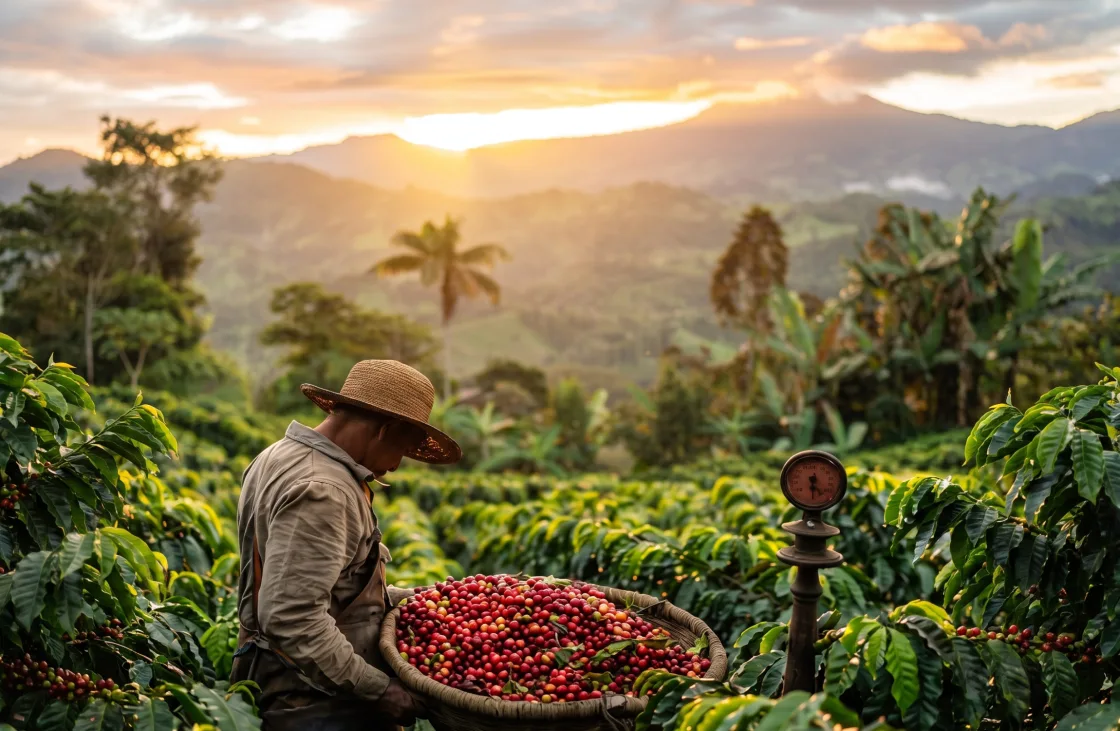
Coffee is produced by small farmers in small, 1 ha (average) areas, and harvests are collected from January to March.
PRODUCTION:
A typical farmer who supplies berries to the Ayarza coffee processing station is a small landowner who grows different coffees under dense shades of trees. He usually brings berries in an old Toyota pickup truck, the main car for this region. Without a doubt, these people are simple and unwieldy workers. What is always a pleasure to come and see for yourself? There are many factors that encourage coffee cultivation in the region. The season of ripening is long in the rainy season and the harvest period is dry in contrast. The culture of coffee production has long been established, and everyone knows their own business: farmers — how to grow, collectors — how to harvest.
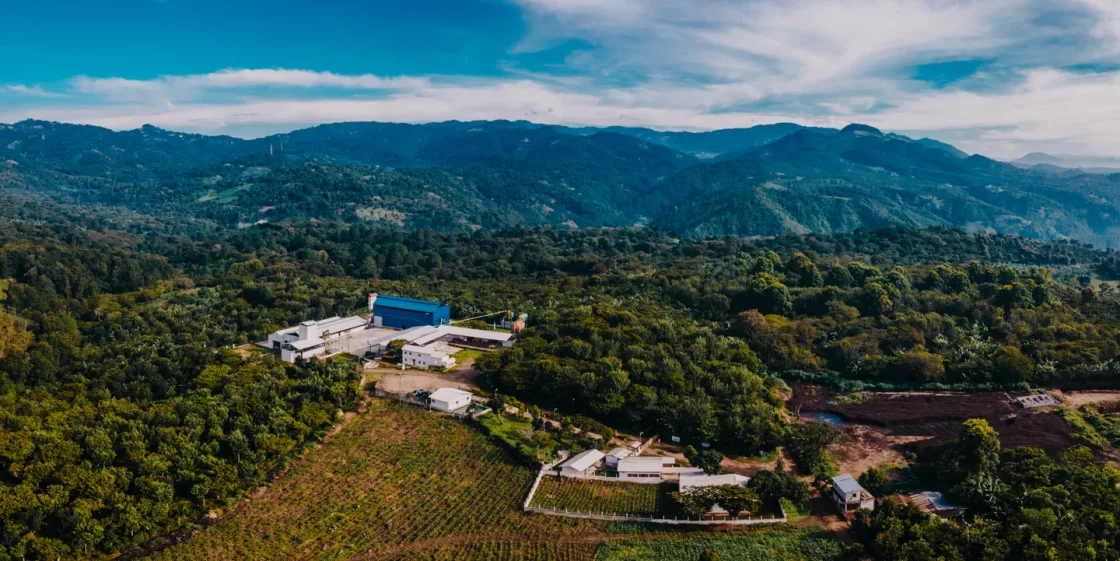
What are the challenges in this region for coffee growing? There are two factors that prevent small farmers from processing their coffee on their own. Farms are almost at the top of the mountains, which means they have limited access to water, which is very necessary for coffee processing. Any springs that come out during the rains dry up by the beginning of the harvest period when water is needed for the processing of berries. To address this problem, pumps were installed at the Ayarza coffee processing station on the river, about half a mile below the slope. They supply the station with the water necessary for the coffee.
Since 2019, the station has been able to reduce its water consumption by 50 per cent, as was the case with the installation of equipment to allow it to be reused for coffee transport. For the past three years, many farmers have participated in the "Good Agricultural Practices" training every month. These training sessions, as well as farm visits by Olham Guatemala staff, increased productivity by 18 per cent in relation to the baseline for these regions.
The assembly cycle this year — as in Guatemala as a whole — was longer than usual. Late rains delayed the coffee bloom for almost a month. The Ayarza processing station is normally fully operational in mid-December, but it is now operating in half power. It was only with the January offensive that the incoming berries increased. The dry crop processing period was also prolonged. In May, the rain never started and it was very, very dry. Fortunately, in June, a great deal of rainfall came to pass, helping coffee trees recover from the dry season and prepare for a new harvest.
REGION
The region's card is Laguna de Ayarza, a double crater lake that has so many legends and stories that wouldn't fit even in it itself, while local residents say that no one knows its depth, and it may be connected to the Pacific Ocean, a quick search in Wikipedia will indicate that it is 230 metres deep.
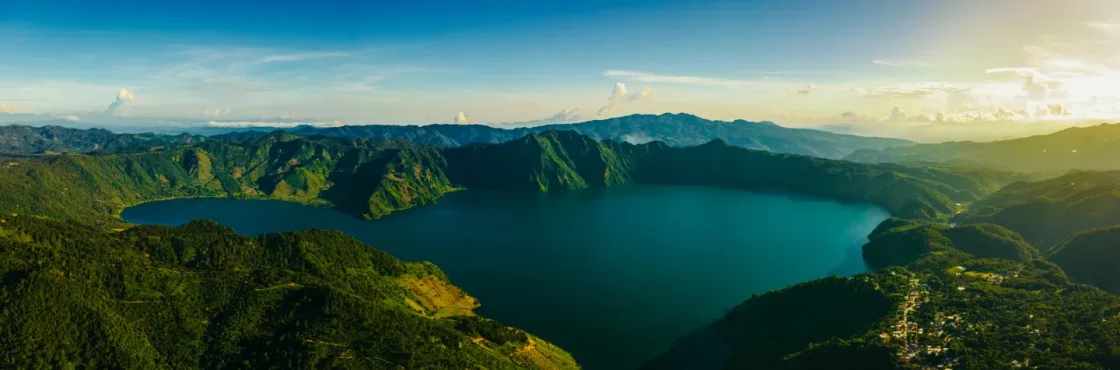
The lake has a rich blue color, which is not comparable to other lakes of this type. The steep slopes of crater severely restrict access to the lake, so there are only a few houses on it; this remote access has kept the lake almost untouched.