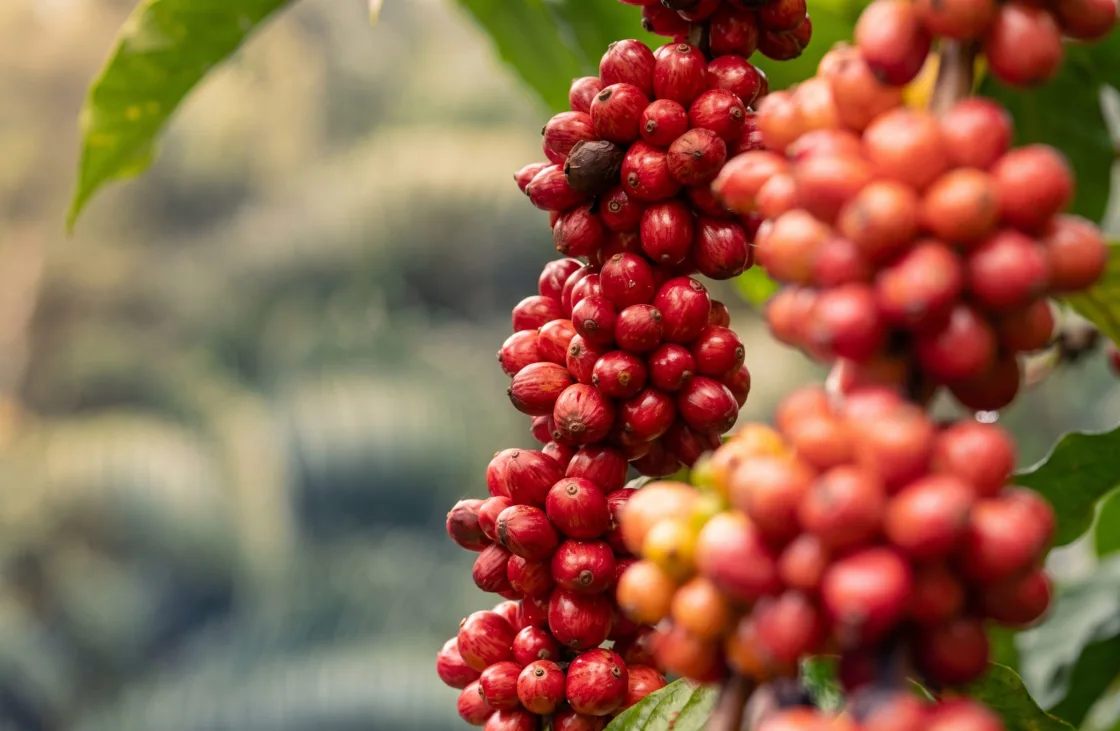
The Mojiana region, which runs along the border between São Paulo and Minas Gerais, is home to some of the sweetest and well-structured natural products produced in Brazil. There are 3,500 farmers in the region, who are growing a total of 202,000 hectares. Coffee is manually taken from individual farms and processed to produce a uniform and clean product. All this is to have a constant profile from party to party and year to year.
American colonists drank coffee for 50 years before Brazil planted its first coffee grain in 1727. A hundred years later, Brazil accounted for 30 per cent of the world ' s coffee supply. A hundred years later, in the 1920s, Brazil had a de facto monopoly, producing 80 percent of the world's coffee. Although Brazil ' s market share peaked at 80 per cent in the 1920s, its continuing status as the world ' s largest coffee producer continues to have a significant influence on the market and coffee prices. They say when Brazil sneezes, the coffee world gets cold. Brazil was one of the founders of the Pan American Coffee Bureau, which invented the concept of coffee break during a publicity campaign in the early 1950s. The Mojiana region, which runs along the border between São Paulo and Minas Gerais, is home to some of the sweetest and well-structured natural products produced in Brazil. There are 3,500 farmers in the region, who are growing a total of 202,000 hectares. Coffee is manually taken from individual farms and processed to produce a uniform and clean product. All this is to have a constant taste profile from party to party and year after year.