Rogicha
Rogić is located in the western part of the Guji zone of the Oromey region and is located within the boundaries of the regions of Shakiso, Hambala, Vämenna and Uraga. Although located in Hambala and Wamenna, the coffee collected in the Territory gives a taste for the characteristics of the three dominant areas of the Guji area. Rogica is unique: although coffee berries are brought from highlands in the region, the processing station itself is located in moderate weather conditions at an altitude of 1720 metres above sea level, which creates excellent conditions for ideal coffee handling and drying. Our friends from Belionahi are pioneer first-passers in this region, and they built about eight and a half kilometers of road to better access this unique place full of brilliant ripe berries with phenomenal profile characteristics. The number of producers in this region is as high as 440 with an average farm size of 1.6 hectares. The total area where coffee is grown is 700 hectares. The altitude ranges from 1,750 to 2220 metres above sea level. The station uses both soap and natural processes for coffee processing. However, pre-ordered anaerobic fermentation is used, as well as other fermentation techniques, including honey. Natural processing
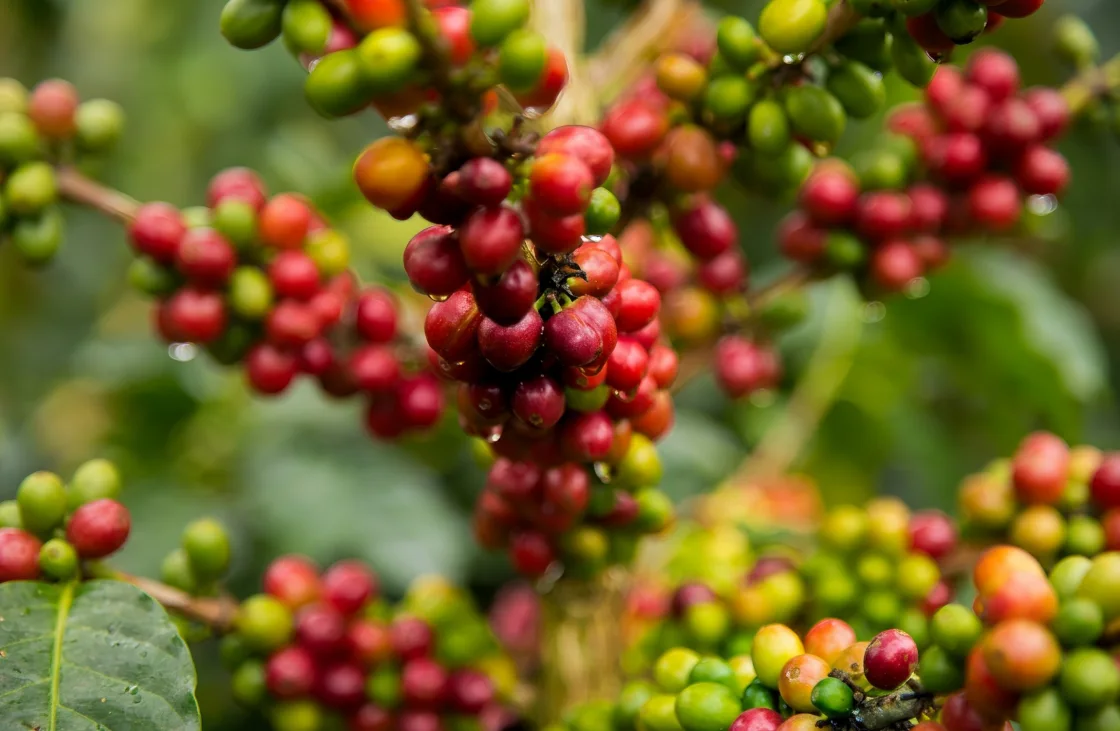
The tasteful characteristics of the cup for which we love this coffee are easily read high-quality descriptors: red berries, red peach tea, blueberries, and apricots. The berries are strictly selected from small farmers living near the processing station in the fields of Rogic Cabel. The readability and high quality of the bouquet of taste is due to constant control over the production of natural lote. In such a process, the strictly red ripe berries are dried on so-called African beds for approximately 14-19 days. During the day, the berries are evenly distributed over the surface and periodically mixed. A constant temperature monitoring shall also be carried out and shall not be less than 43 degrees Celsius to ensure a continuous drying process. During the day, the berries are under direct sunlight from 8 a.m. to 12 noon. Otherwise, they are covered in purple or yellow cloth and are on well-ventilated African beds. Similarly, when the night comes, berries are also covered to protect against rainfall and humidity.