


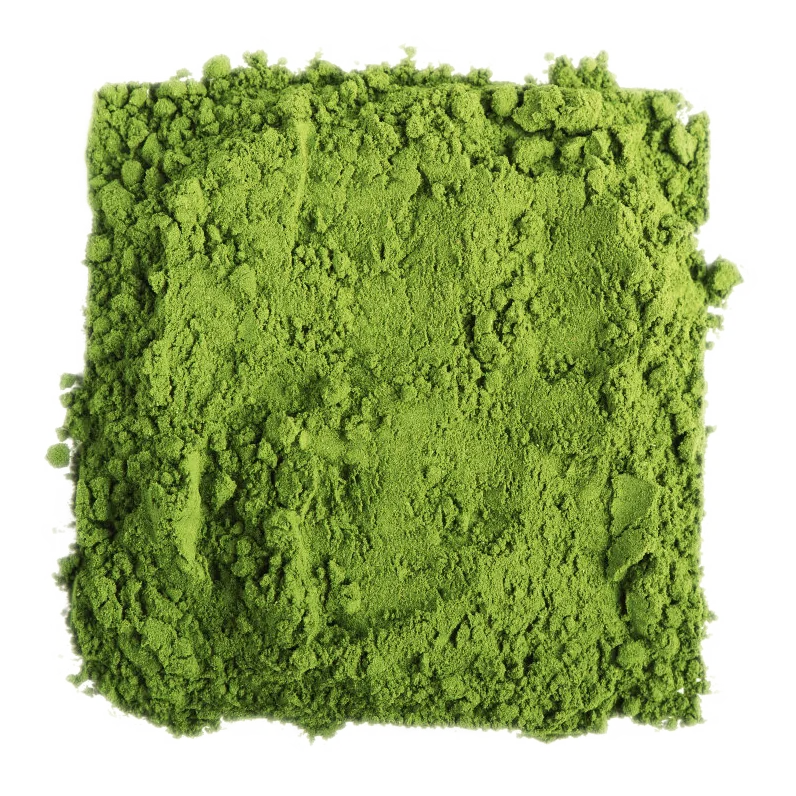
Green Matcha
It's very dense, seay, nice mustard, and long, cluttering after-taste.



Specifications
- Country
- Japan
It's very dense, seay, nice mustard, and long, cluttering after-taste.
Matcha means ground tea. It is made by milling dried Japanese tencha leaves into a fine powder. It has a rich aroma and smooth flavor. Like the leaves used for gyokuro, the leaves used for tencha are shaded before harvesting.
Artificial shade of tea bushes is used to increase the amount of chlorophyll in leaves needed by plants for photosynthesis. The photosynthesis process is not just about turning carbon dioxide plants into oxygen, but about a very complex and multi-stage process of capturing and using the energy of quantums of light in the chain of biochemical reactions needed for plant life. When the amount of light that does not fall in plant leaves decreases, more chlorophyll is produced in plant leaves to capture more photons under conditions of insufficient lighting.
The chlorophyll is a green pigment, and it makes leaves of plants green. The more chlorophyll in the leaves, the more rich the green color. In other words, chlorophyll is directly beneficial to human health. Useful properties of chlorophyll: contributes to detoxification and liver cleaning, has antioxidant properties, strengthens immunity, promotes digestion, is useful for the cardiovascular system, has an anti-bacterial effect. Chlorophyll is often found in the market as a separate component that is offered as a biologically active supplement. However, chlorophyll in a green match is the most natural and organic product, and its utility is combined with the benefits of other parts of the tea sheet. Regular use of a green match or smoothie is an excellent alternative to first aid vitamins or BAD.
Tea Match is famous for its traditional Japanese tea ceremony, which is followed by a philosophy.
The green match is also used in cooking as a food supplement in various desserts and drinks to give color and taste.
It looks like a fine powder of bright green colour with a certain odor: patigue, algae, and seawater.
The infusion is opaque and green, with an aroma of nori. The flavor is full-bodied and marine, with pleasant bitterness and a long, distinctive finish.
The way you cook: The way you cook this tea is a lot, but we're going to stop at the classic Coyta: Pial should be dry and warmed with hot air. 4 g of welds (approximately a typical 1 tea spoon with a slide) fill 40-50 ml of water, heated to 80 °C. The spinning moves are slowly mixed and then whipped by a special wand, seeking to produce foam and achieve uniform consistency between thick and palate drink.
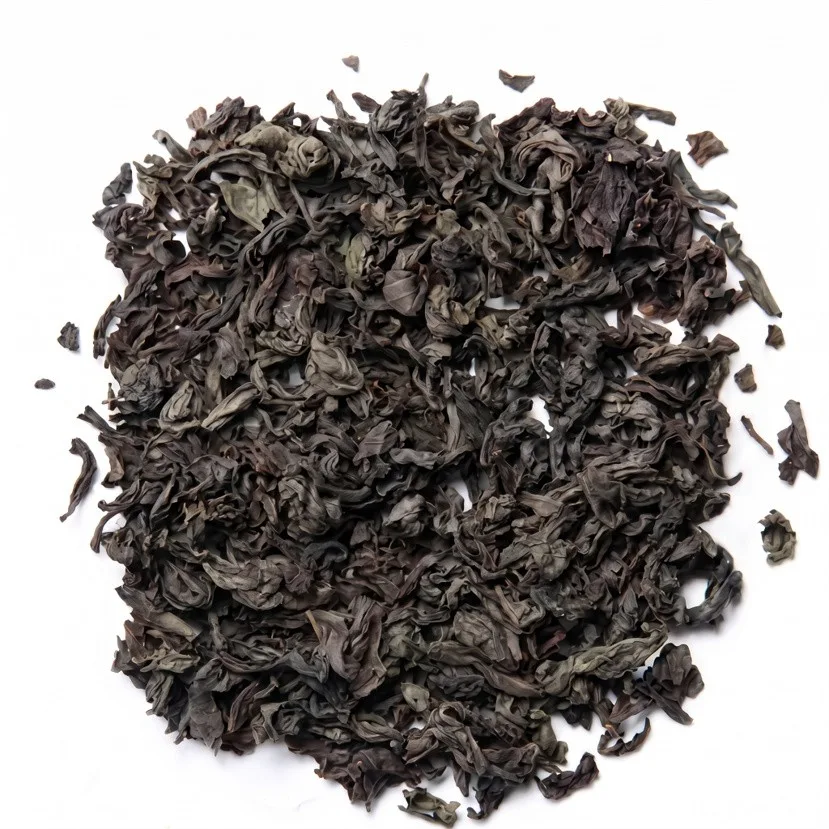
Beautiful traditional taste of Ceylon tea without bitter but with a mild patience in the body of taste

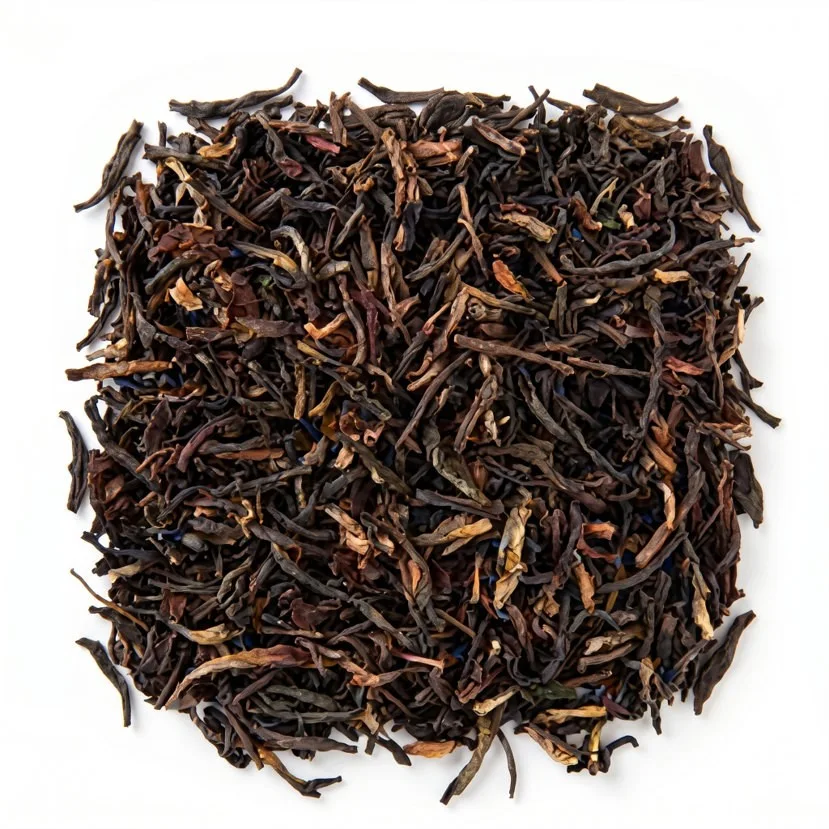
A very delicate, elegant, easy mustard and sweet after-taste, with fruit notes.

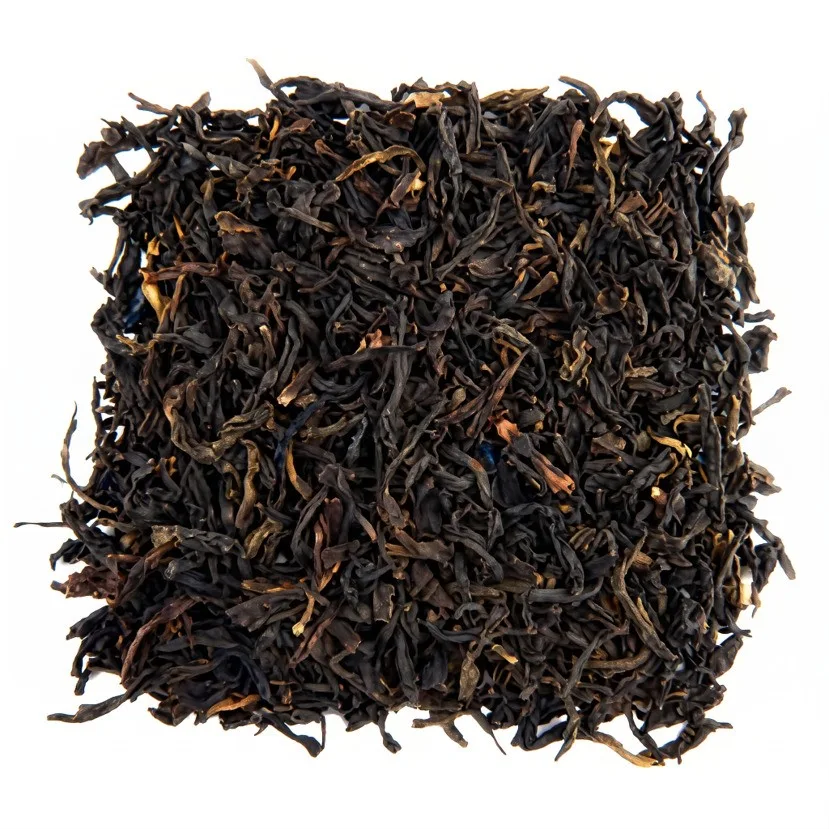
Taste without bitter, with a slight sourness, a patient, constant sweet lunch note left in the tongue

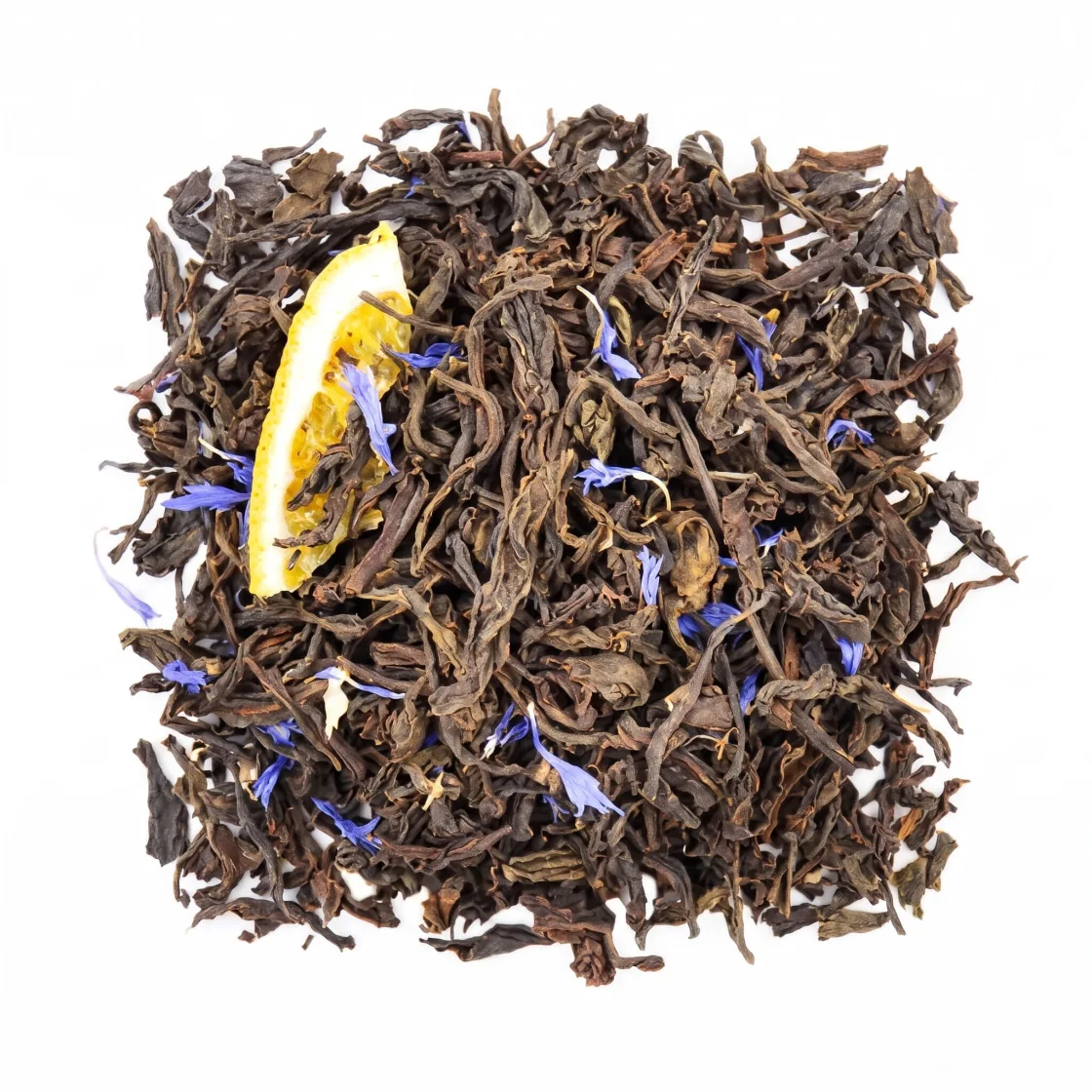
Classic lung mustard and rich flower after-taste of selected Ceylon tea.