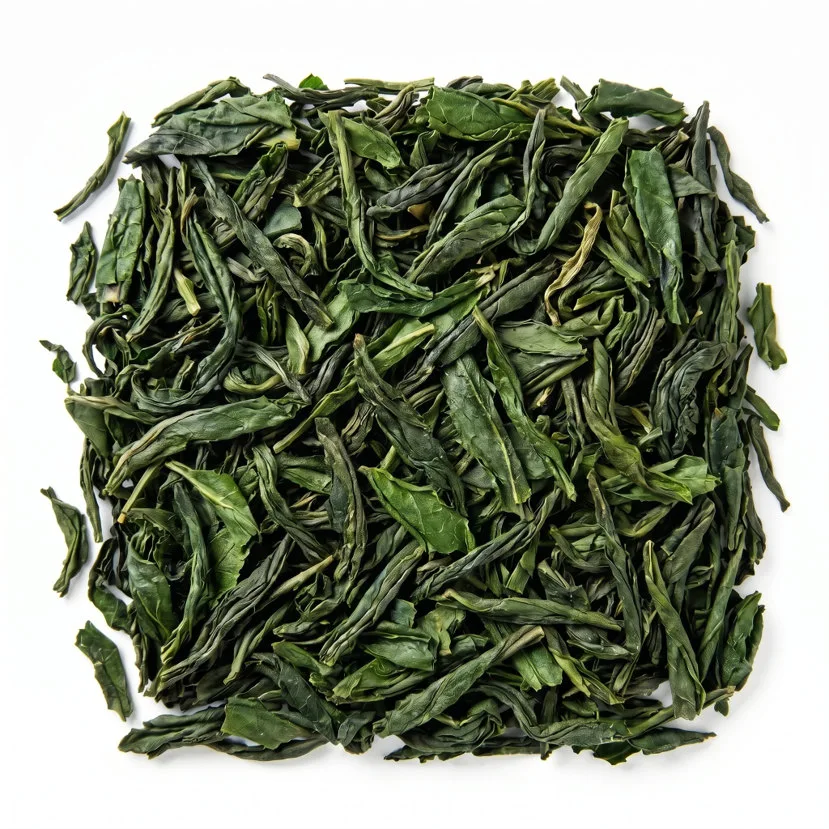
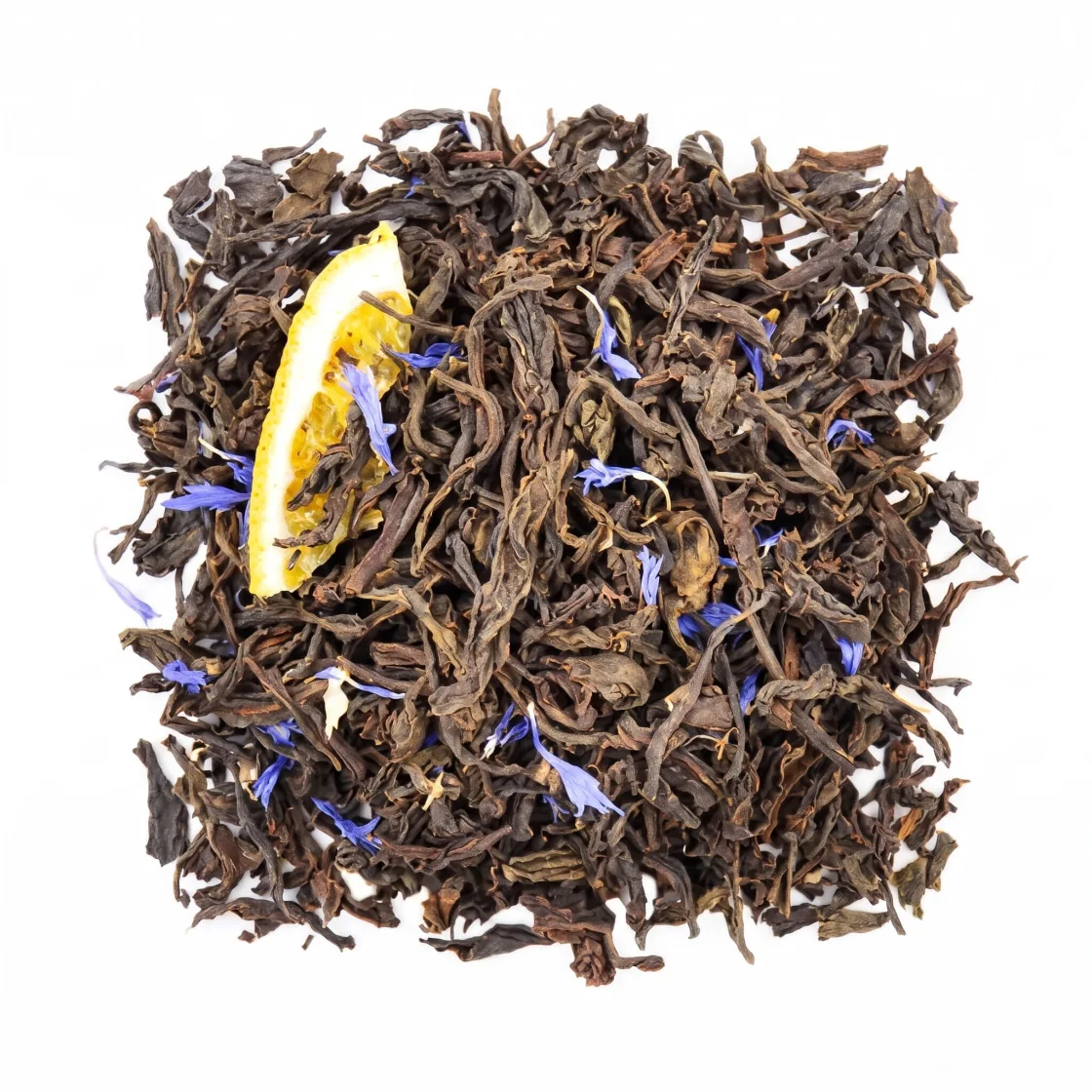
Sencha (or Senta, Sencha) is the most popular Japanese green tea, with about 75% of Japanese tea production. He will celebrate his sweet and refreshing taste with a pleasant patience and a flower-trasy fragrance. It is open-crop tea, i.e. tea bushes do not cover up, as they do for the production of Gecuro and Match. This classical Japanese slench is a light-degree propark grown in Japan's most famous tea prefecture, Shizuoka (or another version of pronunciation, Shizuoka). Compared to Chinese sedations, Japanese is less than the titanium that gives tea a characteristic binding taste, but also a huge amount of vitamins, micronutrients, amino acids, and Katehin antioxidants. A dry tea sheet is a straight-line, dark green shade. The dry leaf is rich, filled with herbal and sea notes.
Taste:
A very transparent, light green, aroma of standing against the background of herbal and sea notes, a slight flower note, a pleasant taste, free of bitter, sweet, refreshing, with a slightly porky aftertaste. Method of preparation:
It is recommended that, to prevent the re-cooking of tea, the tea be poured out of the tea pot or the guivani after the boiling time has been achieved.