


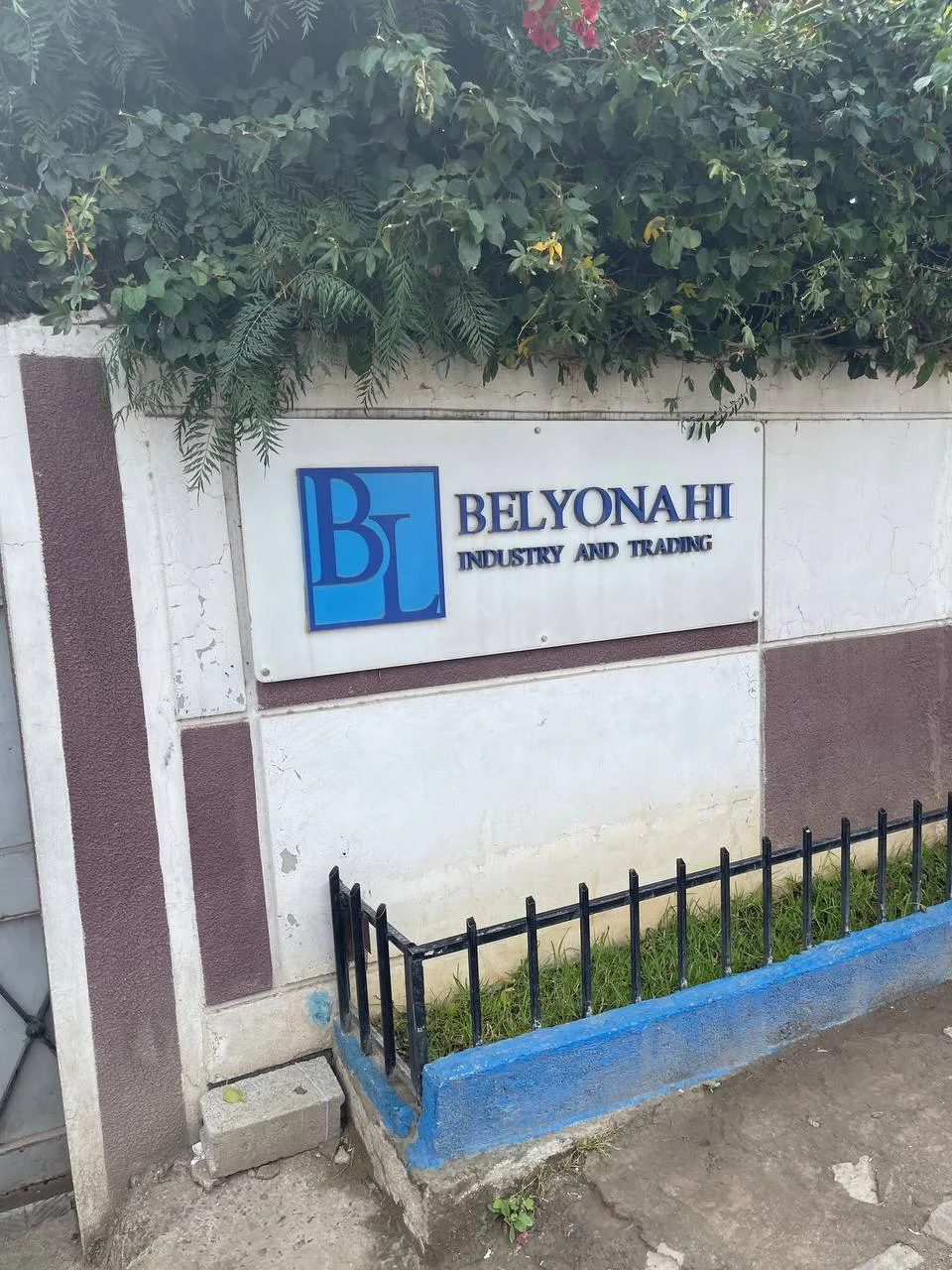
We've known Belionahi for a long time, but we've been in the company for the first time in 2020, and it was formed in 2015 by the family of BNT Coffee, one of the first companies to export Specialty coffee from Ethiopia.
Belyonahi uses five main stations to obtain its own excellent lotts:
Rogić: Zone (area): West Guji, Voreda (region): Hambela Vomenna, Kebele (smaller administrative division): Dabaye
Banco Gotiti: Zone: Gideon, Voreda: Gedeb, Kebel: Gothiti
· Halo Khartoum: Zone: Gideon, Voreda: Gedeb, Kebele: Halo Khartoum
Haru Souke: Zone: Gideon, Voreda: Irgachif, Kebele: Suke
Cudense: Zone: Guji, Voreda: Solomo, Kebele: Souka/Cudenses
As well as six other coffee processing stations through vertical integration with producers in the regions of Irgachif, Guji/Uraga, Sidamo/Buluga and Gedeb, the South People and Peoples region.
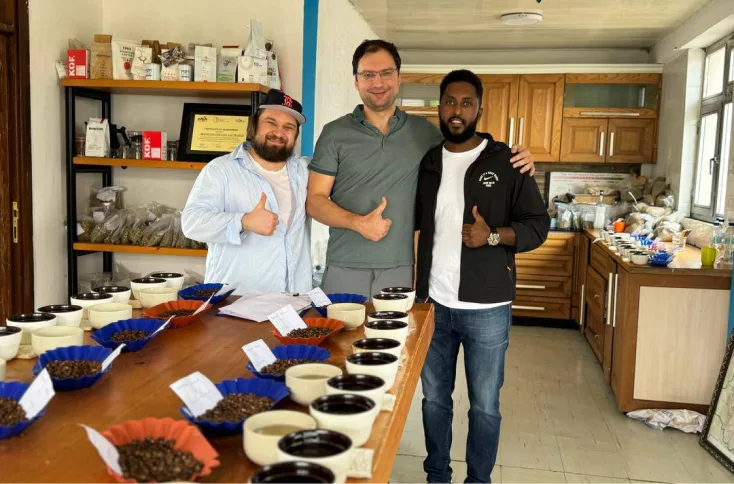
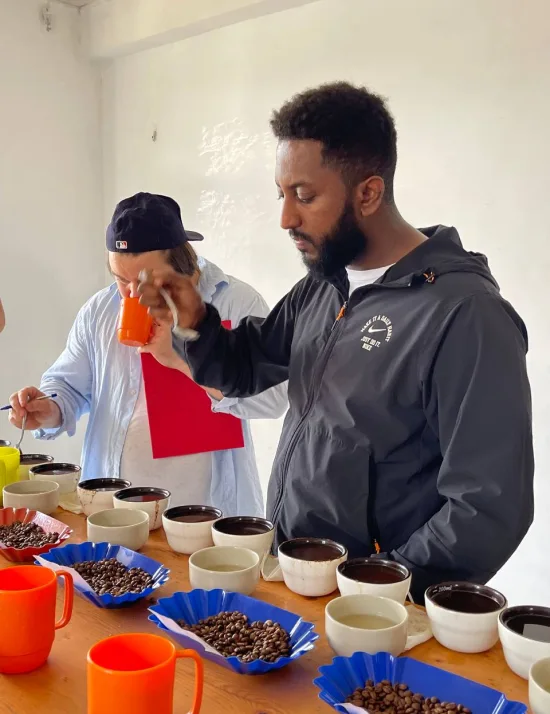
When a KOF team visits the country of origin to choose coffee, it always tastes the lotts encrypted, without specifying the processing stations, to focus on the taste rather than on the existing associations. One of our favorite processing stations, which always puts coffee in the capping top, is Rogic.
Rogić processing station located in the area of the Western Guji of the Oromia region, Hambela, bordering on the vordial Shakiso and Vämen/Urag. The number of farmers/farmers in the area is as high as 440 with an average farm size of 1.6 hectares. The total area where coffee is grown is 700 hectares. The altitude ranges from 1,750 metres above sea level to 2220 metres above sea level. The station uses both soap and natural processes for coffee processing. However, pre-ordered anaerobic fermentation and other fermentation techniques are used.
The taste profiles of the cups we select for this coffee are easy-read high-quality descriptors that can vary somewhat depending on the processing: red berries, red seafood, berries, blueberry, tea assam, peach tea and apricot.

The next favourite of our cappings will be coffee from the Halo Khartoum processing station.
Halo Khartoum is one of our most popular processing stations in the Gideon region of the South's Peoples and Peoples region. It is located in the Vorde Gedeb, 50 kilometres from the city of Irgachif. The number of farmers/farmers in the area is as high as 650 with an average farm size of about 2 hectares. The total area where coffee is grown is 1,300 hectares in total. The heights range from the minimum of 2050 metres to the maximum of 2280 metres above sea level.
The station uses both soap and natural processes of coffee processing, but it is pre-ordered to use anaerobic fermentation, as well as other fermentation techniques. The tasteful tip profiles for which we select this coffee are always sweet coffee with a bright flower charker, with notes from lemongrass, jasmine, black tea with lemon, burghote, peaches and strawberry jam.
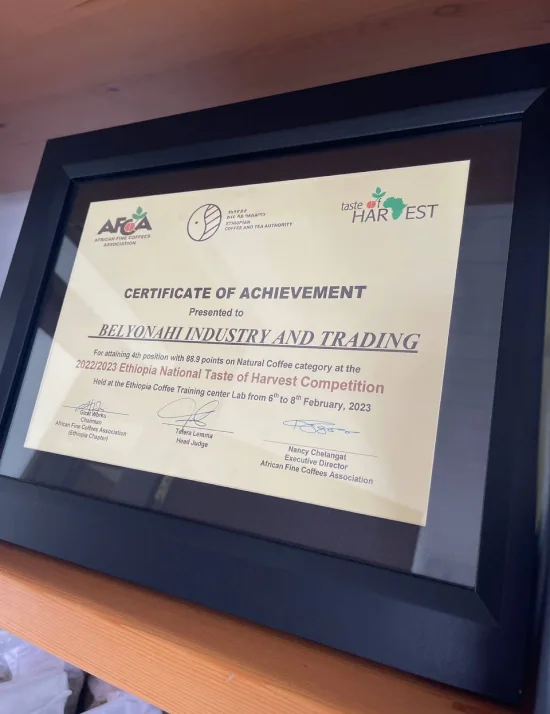
The reason we've been working with Belionahi for several years is because they've been giving quality special attention.
It starts with a choice of coffee grains. Belionahi has a long-term relationship with farmers, including pre-harvest payments, and they always produce high-quality grains. The choice of coffee variety and place of origin at this stage is important in order to obtain the coffee of the right taste profile. Most farmers often rush to harvest as quickly as possible, ignoring the fact that ripe berries are caught with ripe berries — only to sell and receive money quickly. To avoid such situations, Belionahi makes incentive payments to farmers before the harvest so that they will collect only ripe red berries rather than pick berries in haste. For its part, Belionahi, in the process of sorting, conducts thorough inspection and careful selection to prevent the occurrence of immature or overripe berries. Working at their stations, the protocols are verified and tested, both for classical soap and natural methods and for anaerobic fermentation, as well as for subsequent drying and grain storage.
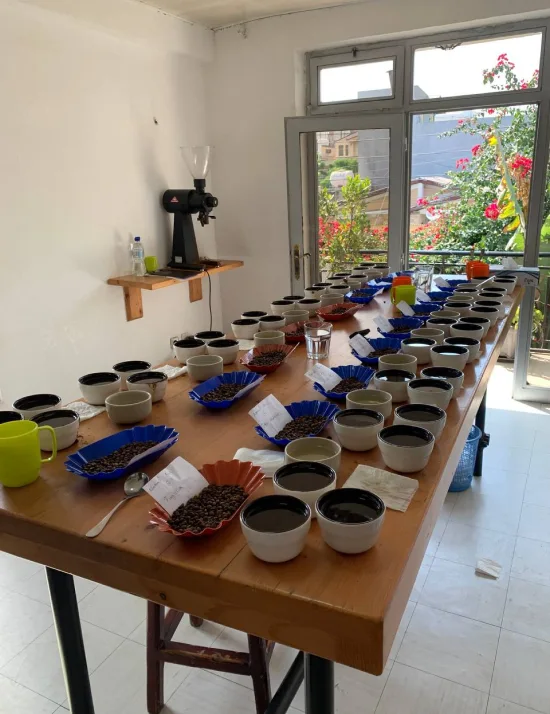
As is known for the export of green coffee grains, Ethiopia uses a graduation system developed by government regulatory bodies in the area of tea and coffee. For each level of quality of the coffee exported, it has two ratings, one for pass or not. Some of the exporters who position themselves as Peshelti coffee traders sometimes try to adapt the system of classification and evaluation of coffee adopted by SCA (Spechelty Coffee Association).
But Belionachi went further, and introduced "GRADE ZERO SELECTION", a much more efficient way of processing and sorting, and through this clean-up, we get clean, the same, with virtually one lote defect.
These lotts are the same unique lotts we've been meeting and working with over the past few years, and this time they have been made even better by even more accurate sorting by size on screens, by more intense gravity sorting, for maximum uniformity in grain density. High-tech, multiple color sorting in a corrosorter to remove any "green" coffee grains. But mostly, the absence of defects is achieved by careful manual sampling of women left behind of defective grains. This sheds light on the importance of women in the coffee world, and of course the role of their hands, which is a key factor in achieving the best quality of coffee. Such processing is very time-consuming — it prolongs the schedule, takes up a lot of space and requires continuous activity.
This is a benefit to Belionahi from many other companies in Ethiopia whose coffee costs can increase significantly due to the large amount of return, especially in the past few years, most of the grains supplied in Addis are incredible, all due to instability in some coffee producing regions of Ethiopia and also to fluctuations in market prices.