

How the appearance of artificial dyes has given rise to the rush of coffee in Guatemala and why it still uses manual labor.
Interesting fact: For the first time, a coffee tree in Guatemala was introduced and used as a decorative plant for the Compaña de Jesús monastery.
There were farmers who tried to grow it for consumption, but coffee resisted, not wanting to bloom under the sun, and some left their efforts and focused on producing more common indigo and kitten peppers — once the main crops in Guatemala — while others found a special treatment approach to coffee.
In the mid-19th century, aniline dyes were created that caused the demand for natural products to fall, and the Indigos of cochinals were forgotten, and we are sure that fortunately for lovers, 100% of the Arab people who literally saved the country from the economic crisis had become an important export item in Guatemala.
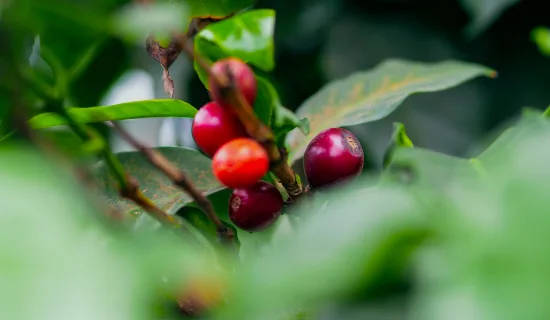
It's amazing, but despite the hot climate, in Guatemala eight coffee regions are the most popular, with Antigua, Atitlan and Huewetenango, and we work with two -- Weuethenago and the Ayarza microregion.
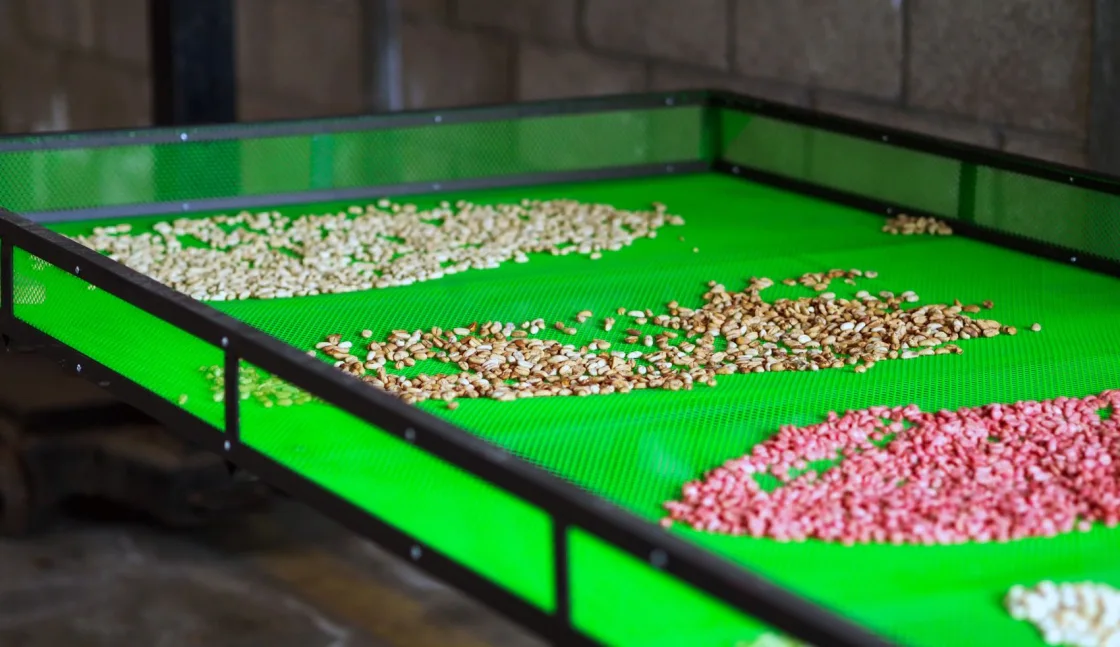
Note that Ayarza has not been on the top of the list, but the lack of transparency in the region only increases interest in local coffee. The knowledge of the farmers here is a specialization in subsistence grain processing, which is rare for Guatemala, where the wet method prevails, but they are not limited to classical activities and occasionally create microlots of experimental processing.
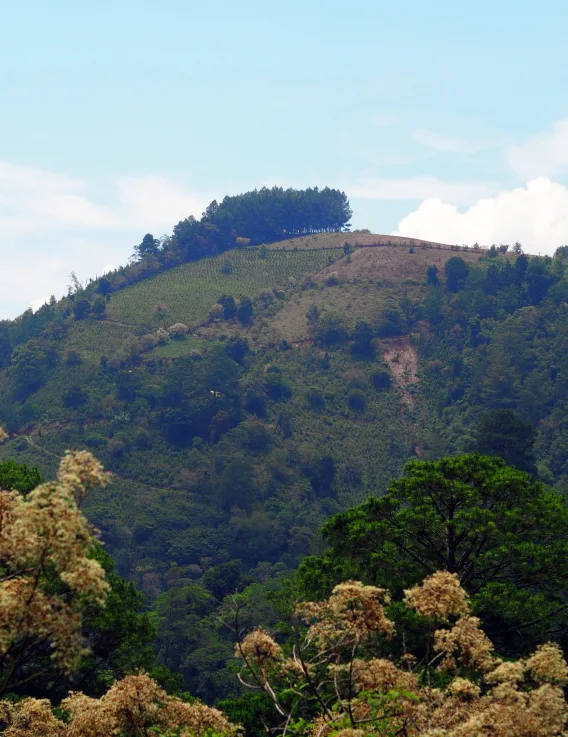
Weuetenango is the highest region in Guatemala, and in this area the advantage of coffee is over 2,000 metres high, hence both the rich fragrance and the fine taste. The lower the average daily temperature, the longer the ripening process, allowing the grains to extract more useful elements from the soil.
Hand-hand labour is not only a result of the country ' s difficult financial situation, but also of the complexity of the terrain, which prevents the use of harvesters.
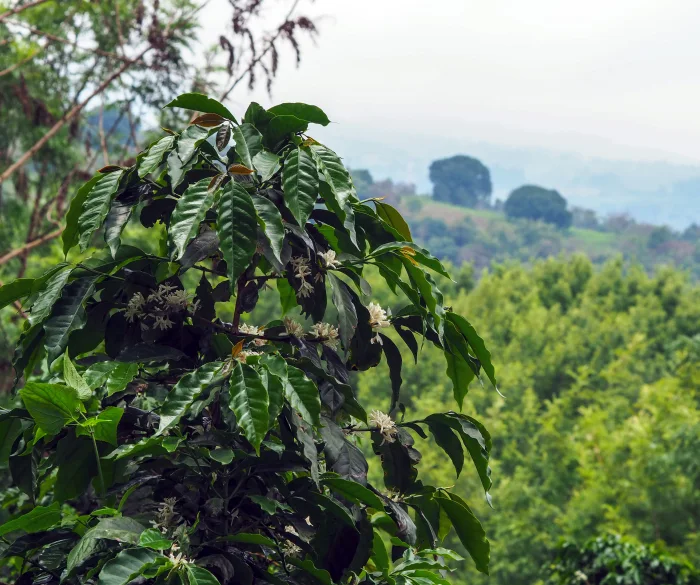
We work primarily with two farms: El Socorro and La Hermosa.
El Socorro is one of the most famous farms in Guatemala, and it has repeatedly confirmed the quality of its coffee in the \Cup of Excellence \ international annual championship, which defines high-end coffee.
La Hermosa is located on the slope of the current Akatenago volcano, so the local coffee is particularly hot. The volcano provides the earth with ash, which is very good and gives it exceptional taste. The farm also produces poultry, which provides the plantation with good fertilisers and makes it possible to earn more from the egg trade.
They've already got to envy the Guatemalans by presenting three times a day as they drink peshell coffee gathered by caring hands on the slopes of volcanoes?
The coffee rush from Guatemala has a unique story in which it has a bright mark of artificial dyes, and in our collection, more than 30 bright tastes are collected that are worth trying and choosing which you like.