


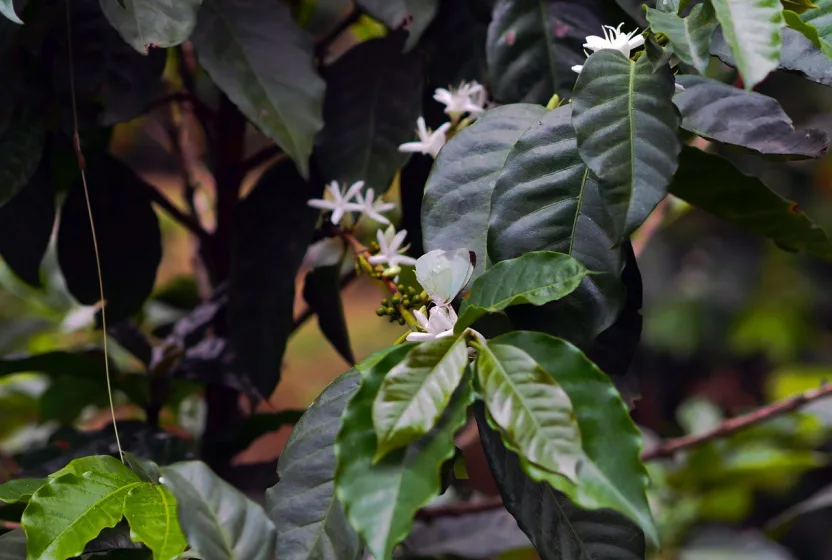
Arab coffee "Burbon Pointe", from the former sailor to the religious drink of mankind.
We would like to refer you to the historical survey of coffee cultivation on Reunion Island, which will provide an insight into the low genetic diversity of the modern Bourbon variety and also provide an insight into the origin of coffee in Bourbon Pointe.
Primary food
Coffee is one of the main foods traded in the international market, along with cereal, cocoa and sugar. The history of coffee tree cultivation is not fully documented, both in Africa and in the world. The article focuses on the coffee hybrid Laurina, also called Bourbon Point. It is well known that this plant was segregated on the island of Bourbon, La Reunion, in the field in the early 19th century. Compared to the traditional species of Burbon, the trees of Bourbon Pointu are dwarf trees with a crown of Christmas tree, and their berries give them a drink of excellent quality. Although references to this variety are common in literature, its origin is still unproven and controversial even today.
Of the 103 identified coffee species, only two — with certain organoleptic properties — produce 99 percent of the coffee that a person grows, are Araba L. (Arabica), which is predominantly grown in taller areas, and which consumers like for its not very bitter taste, flavouring characteristics, and low caffeine and coffee content of Canefort (Robusta), which is more appropriate for intratropical lowlands, with more severe bitterness and high caffeine content.
Science
The only natural polyploid species (2n = 44) of the species is Arabic, and another species shows 2n = 22 chromosomes. His meyotic behavior is a dyploid type. It was suggested that the existence of two genomes in Arabic was a consequence of the meiotic behaviour of the haloids and hybrids F1 (triploid, tetraploid and hexaploid levels) between this and other coffees. The presence of the genomia eugenioides as the genetic mother of Arab coffee was highlighted by the comparison of the DNA sequence of chloroplaste. On the other hand, the chains of the internal transcribed spacer area (ITS2) of the nuclear ribosomal DNA show high similarities with the corresponding chains in canephoroid species. Finally, the possible presence of the genomic genomic genomic genomic genomics genomics genomics genomics genomics genomics genomics genomics genomics genomics genomics genomics genomics genomics in the Araba genomics were confirmed using genomi
The Arab species is self-sustaining with a residual allopolation rate of 7-13%. By comparison, diploid species are self-sufficient, except for three species — C. herocalyx, C. Charrierii and C. Anthonyi. From a genetic point of view, self-degradation results in homosy lines and secures resiliency alleys and selects mutants. This was well visible in Brazil, after the discovery of various mutations such as angustifolia, crespa, erecta, semperXorens.
The Arab home is mainly Ethiopia, with additional populations in South Sudan (Boma plateau) and Northern Kenya (Marsabit Gore). The diversity of species in wild forests is large, and this has been recently confirmed using molecular data. This is a striking contrast to the low diversity among the cultivated species of Araba. Two distinct groups of cultivated species are derived from genetic analysis using random amplified polymorphic DNA (RAPD), amplified fragment length polymorphism (AFLP), and markers for simple recurring fragments. The two groups are represented by the Burbon and Tipica accessions respectively. The general origin of Burbon and Tidiki has been scientifically proven, from a pool of Ethiopian coffee brought to Yemen. In fact, the low diversity observed in the cultivated species stems from harsh conditions and historical context.
Historical perspective
The history of coffee production is not well documented in the area of coffee plant cultivation and distribution worldwide. The use of coffee may have started in southwest Ethiopia at the end of the 5th century. The Arab coffee plants could have been brought to Yemen in 595 C.E. In the late 17th century, the Dutch East India Company began developing a coffee industry in Indonesia. In 1710, the only plant from Java was presented in the botany garden of Amsterdam. Some of the young seyanians who had been received from the village had been brought to Suriname in 1718. Hence, the Arab coffee tree was brought to West India, Martinique, in 1720 or 1723. It has been the parent of many separate descendants scattered around the world (Jamaica, Puerto Rico, Cuba, Haiti, Central America, Brazil, etc.) All these innovations form the genetic basis of the origin of most commercial varieties of culture (cultivara), which are produced worldwide, known as S. Araba "Tipica" Kramer.
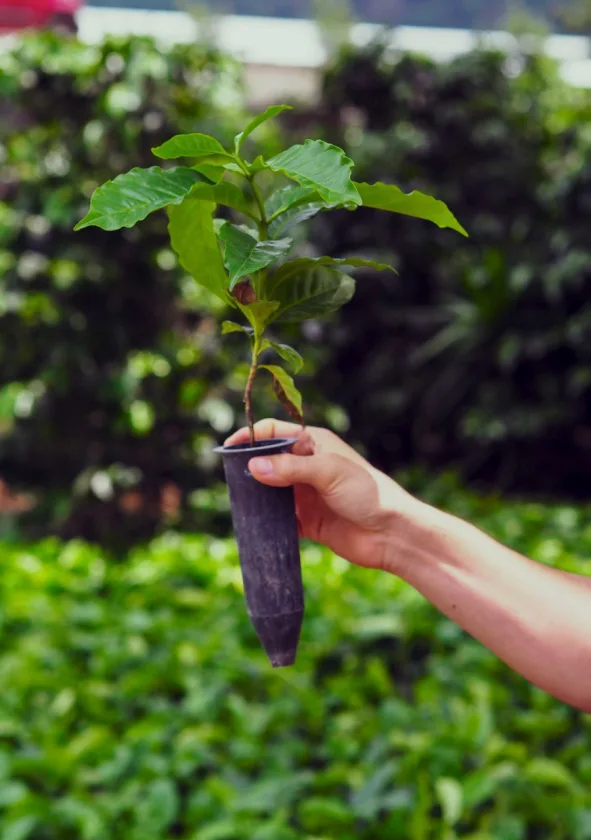
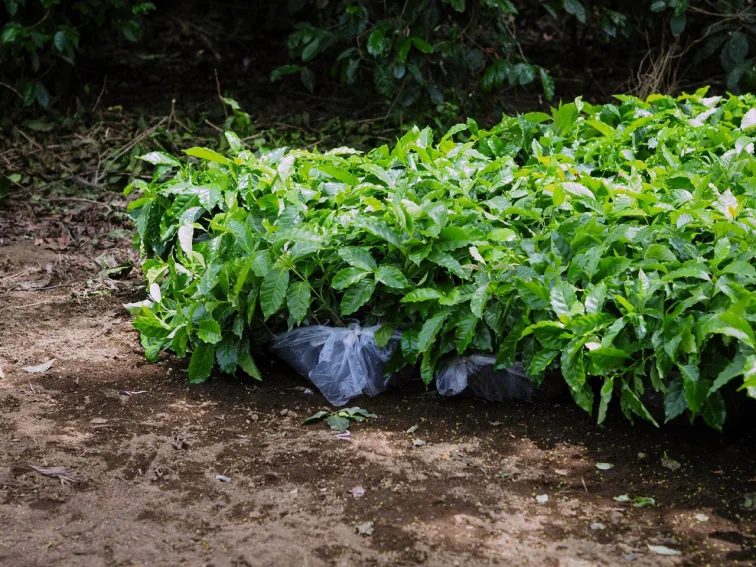
The second genetic base, described as S. Araba Bourbon, was derived from coffee trees brought to the island of Bourbon (now La Reunion) from Mokka in Yemen. It will be described in detail in this article. On Reunion, a new variety, Bourbon Point (BW), with a tree resembling a Christmas tree, with smaller interspersions and smaller leaves than Burbon, was resettled in the early 19th century in Burbon Welds. The tree was a tree of 2 cm high and the tree of Bourbon pineto was 1 cm high. The name BP (bourbon-lined) is derived from the name of the place of origin (Bourbon-Reunion Island) and the sharp form of the grain. BP is also known for other informal names, such as Leroy, a coffee farmer who had planted the first VR trees, or Laurena, because of the resemblance to the lauride leaf. It spread around the world under these names for the 19th century. It is valued for its low caffeine content of 0.5 - 0.7% dry substance base (dry matter base), compared to 1.1% dmb of Arab coffee and 2.2% dmb of Canephora coffee (Robusta). But he is especially appreciated for his organoleptic properties. Sir Winston Churchill and Honoré de Balzac were among his amateurs. Today, for these qualities, he is compared to the well-known Blue Mountain class.
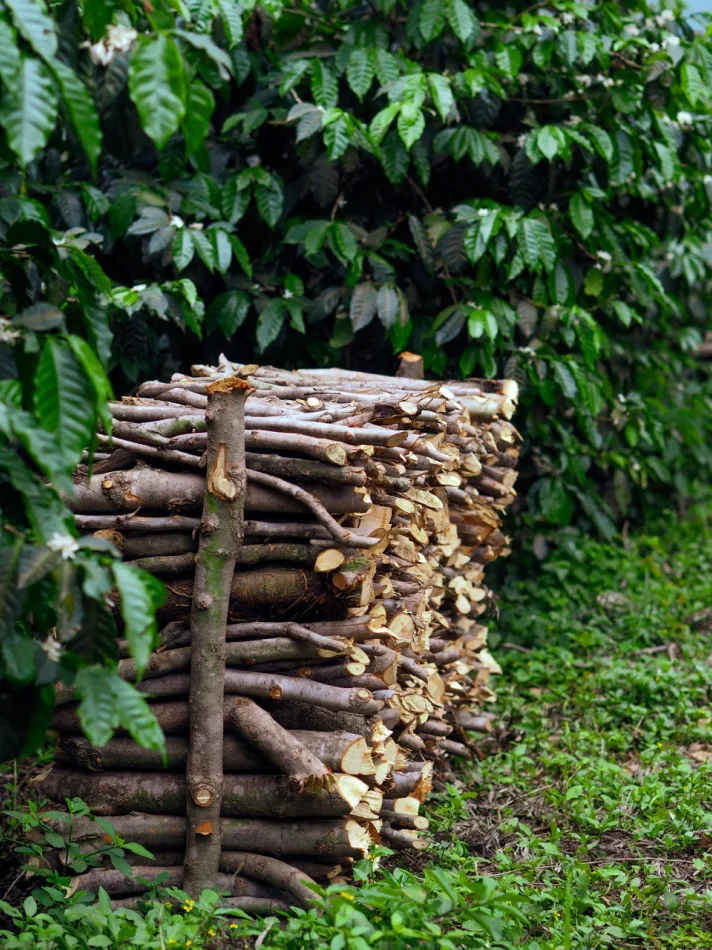
The history of coffee growing on the Reunion
Obviously, the historical background and the bibliography are related to four main hypotheses concerning the origin of Bourbon Point (BP):
Natural mutation of the Bourbon genetic base that occurred on Reunion.
Second import from East Africa
The hybrid resulting from the merger of the genetic base of Burbon and the endemic C. maurithiana Lam from Reunion Island;
Reunion Island endemic.
The 18th century history of coffee growing on the Reunion is similar to that of all tropical plants producing an added value. As coffee consumption in Europe increased at the end of the 17th century, the French commercial company, founded by Colbert in 1664, believed that coffee tree cultivation would be an excellent opportunity for the development of the island of Bourbon. In 1714, Ponchantre, the royal minister, sent letters to several ships travelling to Bourbon, committing them to take coffee trees from Mokka (Yemen). According to Hardancourt (the old director of the Indian company Compagnie desIndes), Mokka was then a merchant, Imbert, who successfully received 60 coffee tree seedlings. He was given them by the King of Yemen because he was in good relations with the French, since French doctors cured his ear abscess in 1712.
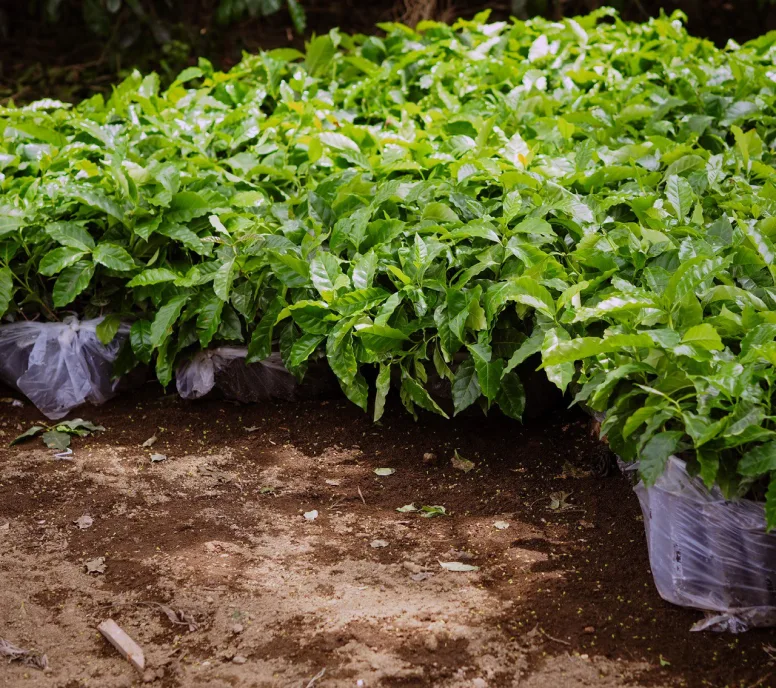
Shortly before the coffee trees were brought from Yemen to Reunion, Hardancourt, during a tour to the mountains of Reunion Island, discovered a local wild coffee tree, a fast named coffee Maron, in French the term Maron was used for slaves who fled their masters to the outside, and later it was used to describe certain species of plants that were growing in the wild on Reunion.
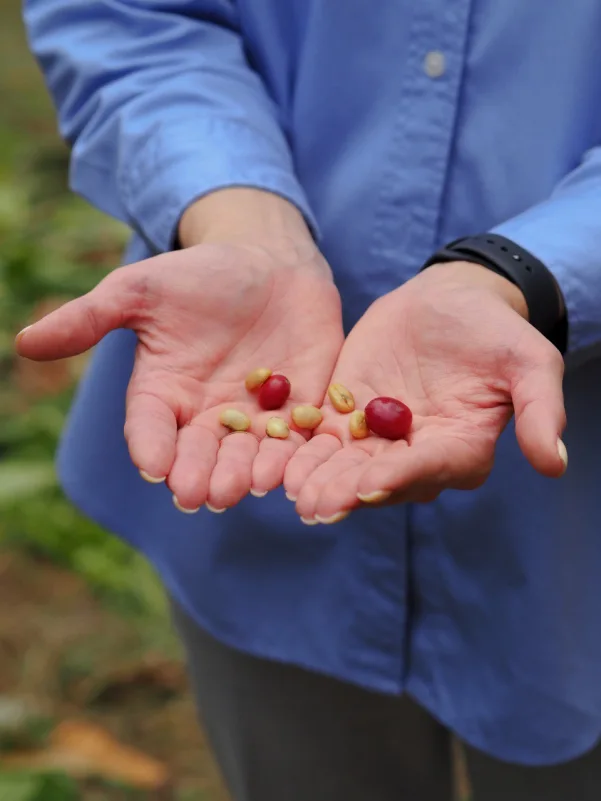
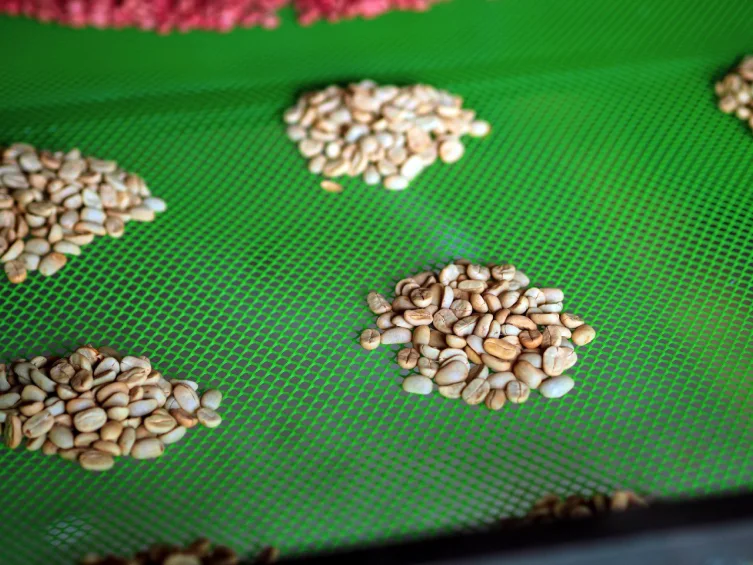
He took several plants to France to check their quality. "This coffee is bigger than coffee from Mokka and the grain is pointed at the ends," he wrote.
Antoine de Jussieu, a famous French botanist of the time, described his grain as "other than Bourbon coffee because it is longer, thinner and greener". This coffee, different from all others, and also endemic to Reunion Island and Mauritius, was described by nerds under the name C. mauritana Lam. His tree is conical and grows to 2 5 meters. Its single flowers are also different from the group bloom of the coffee trees of Arabica.
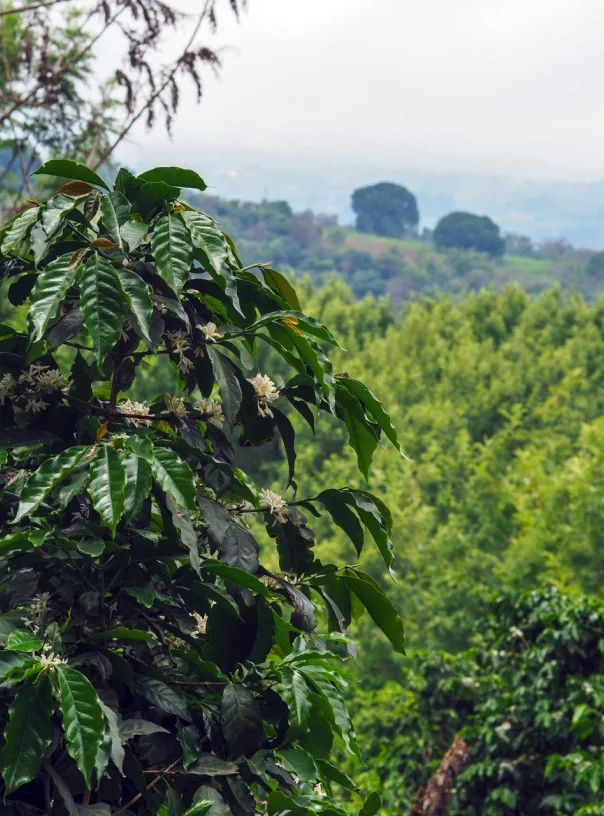
Of the 60 Yemeni seedlings, 20 were taken to Reunion on 25 September 1715, the rest of whom died while swimming. The precious plants were entrusted to the caring hands of two San Denis, the brothers Martin, who had been taught detailed care and breeding instructions. According to the records, only two of the 20 plants have recovered. This information confirms the difficulties experienced by the first farmers in the process of growing new plant species. The discovery of coffee endemics and the successful cultivation of these two coffee bourbons from Mokka have generated enthusiasm and contributed to the emergence of coffee plantations on the island, despite some difficulties in growing crops. By mid-August, the Islanders had hoped for the only surviving of two Yemeni trees and 117 young seedlings received from it, as well as the local C. Mauritiana. Nevertheless, the island's inhabitants gradually abandoned their endemic C. Mauritiana and they were all engaged in the whole and complete breeding of Burbon, brought from Yemen. At the end of 1719, there were 779 coffee trees from the only tree left, and one year later, the number reached 7,000. In 1727, 250,000 pounds of coffee grains were harvested, and this production increased tenfold by 1744. This period of prosperity lasted until the early 19th century, when the combination of factors led to a decline in coffee breeding (Cyclones 1806 and 1807, the coffee rust epidemic in 1810 and competition with coffee producers in Mauritius in the French market). Coffee was successfully replaced by sugar cane.
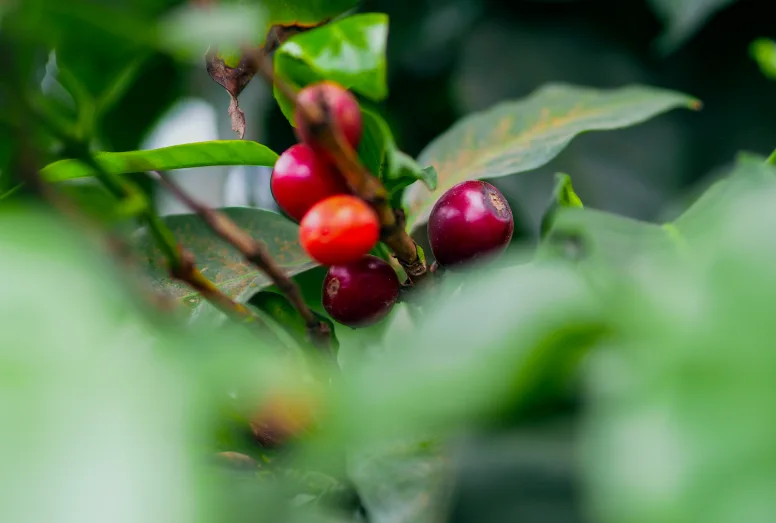
In summary, coffee trees were brought to Reunion from Yemen, where coffee was mainly grown from a single tree that was reproduced in the 17th century, and this seed distribution period was particularly favourable to the fixation of various alleal genes that led to the appearance of the "Bourbon" variety.
At the same time, C. mauritana, Reunion and Mauritius were found to be coffee trees, but their cultivation was quickly discontinued because of their low organoleptic properties (strong sadness) compared to that of Arab.
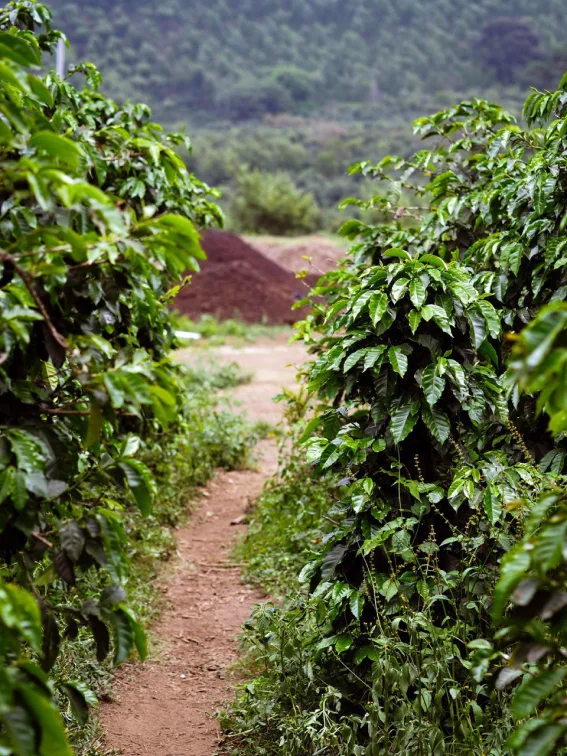
Historical hypotheses of the origin of the Burbon Pointo
According to Raoul (1897), Burbon Pointu appeared in Reunion: "It comes from a tree that was planted at the beginning of the century in the town of Raviño Shevre, which was part of Mr. Augusta Peugeaux's land. He gave him the name of his agent, a former sailor named Rua, or Le Roy, who found him. The original grain of this tree was long-lived; it lost its typical shape in the process of growing, but retained the sharp ends, thus allowing it to be named "Burbon Pointu" (a sharp one). It was grown around 1810 because of its resistance to drought, while Moca's coffee (not mentioned here as Moca's version of Arab coffee – C. arabica var. moka Kramer – but the "Bourbon ́ was brought from Mokka, Yemen, in the 18th century, and was cultivated on Reunion –) was worse than at the beginning of its cultivation on Weld.
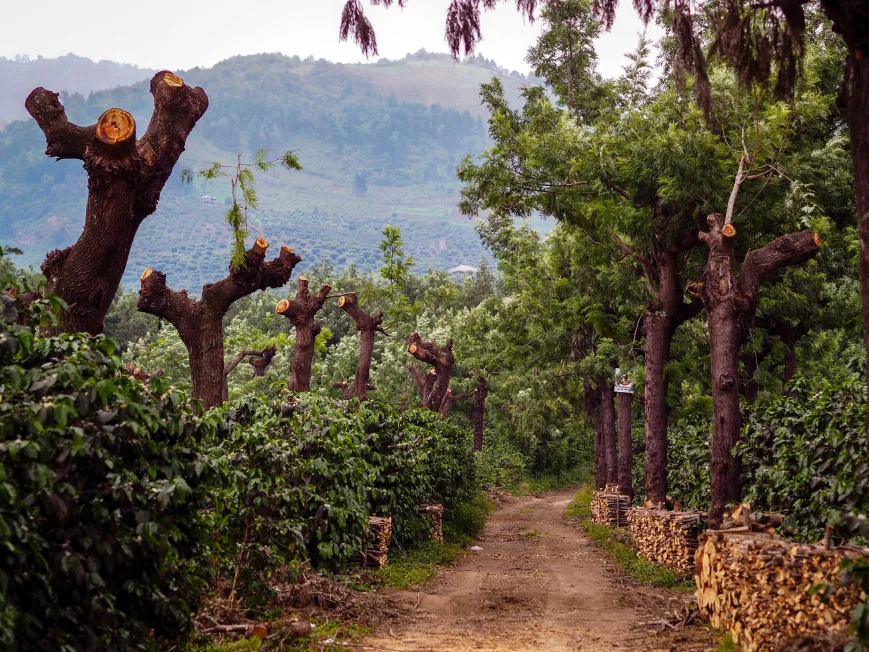
Nevertheless, for some authors, coffee Bourbon Pointu remained African in origin, with the authors most often writing notes, stories or diverse information about the history of Bourbon Island.
Augustus Billard wrote in 1822: "The new coffee tree known in the colony called Le Roy is the same as I think it is known in the West Indies as ‘ coffee from Ethiopia. ' Both of these species come from the eastern coast of Africa and were brought in about 24 years ago. The grains were brought by the captain, who planted them and handed them to farmers from the windward side (The Island). Mr. Le Roy, who had purchased possession in Santa Maria County, where some coffee trees had been damaged, observed that the remaining trees were nothing but an African coffee tree."
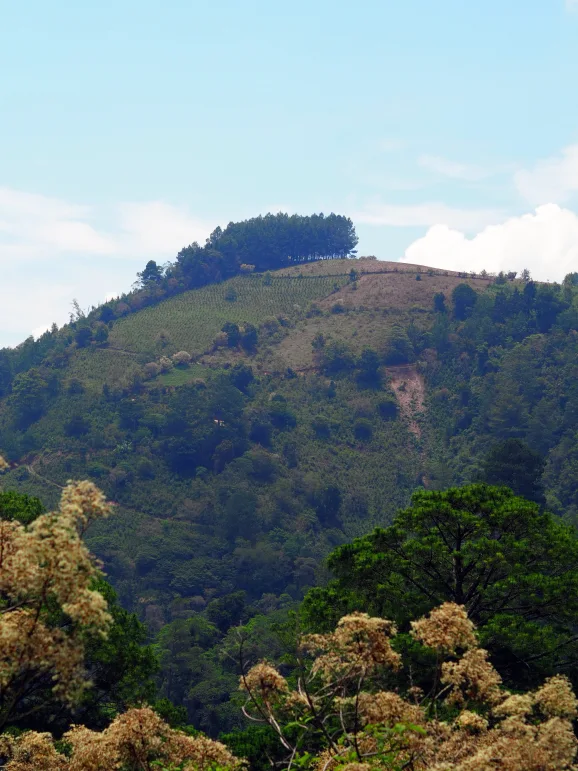
Antoine Russin agreed to this hypothesis on his trip to Reunion around 1880. In 1898, Emile Truett suggested in his booklet that "this coffee was brought from the African continent in 1771 by Wolf, a German traveler who passed the seeds to Mr. Burdir, an engineer in Burbon". However, Willel (1920) believes that the German navigator Wolf could have brought to the Bourbon the seeds of a new coffee tree he discovered in Africa in 1770. But nothing in the messages indicated it was Bourbon Pointe.
The origin of the interspecies hybridization implies the next hypothesis. Willel believed, just as Raul had thought in 1897, that BP had appeared on Reunion spontaneously, and therefore he sought possible explanations for such an appearance. For him, BP could be the result of the cross-section between the wild coffee tree C. mauritana and Arabica. His opinion was based on two observations: the seeds were in sharp shape in both cases, C. mauritiana and BP; and the caffeine content in the BP grains was in the middle (0.440) between the wild coffee C. mauritiana (0.00) and Arabica (0.820).
The fourth hypothesis of the spontaneous appearance of Bourbon Pointu appeared when mutation was widely understood in the world, and this hypothesis became particularly popular after the discovery of numerous mutations such as angusifolia, crespa, erecta, semper-Xorens in Brazil.
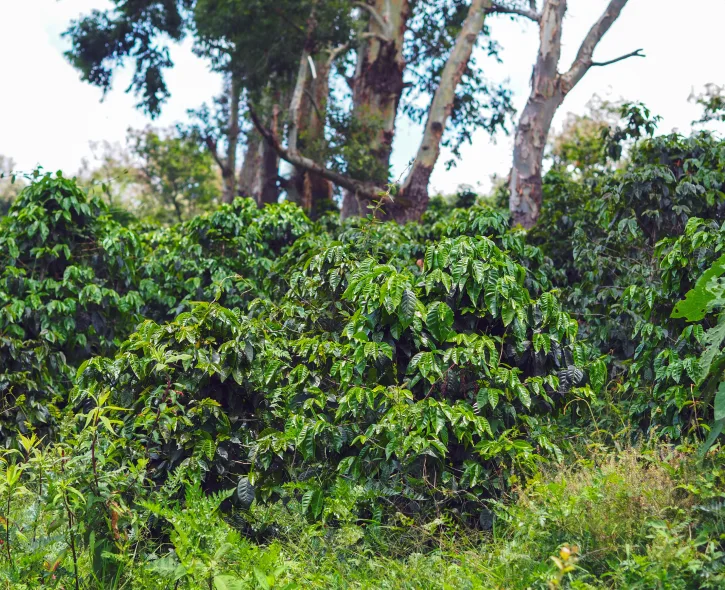
Finally, BP was recently declared an endemic of Reunion: "When a man settled in Reunion, there were two wild coffee trees on the island: "coffee Maron" and "cofa Pointu." This hypothesis is based on the well-known existence of a endemic coffee tree, C. Mauritiana, in the region, and on the fact that the island of Reunion is highly biodiversity.
The genetic distance between Burbon and Burbon Pointu is very low. AFLP tests were conducted to assess the genetic distance between BP and Burbon. Ten "progeny" from one tree of each variety, derived from self-degradation, were selected for the analysis. The experiment was conducted twice and only repeated markers were taken into account. A total of 919 markers from 18 combinations were recorded. Only one spiral distinguished BP from Burbon, and the remaining 918 markers were always present in all the "disposals".
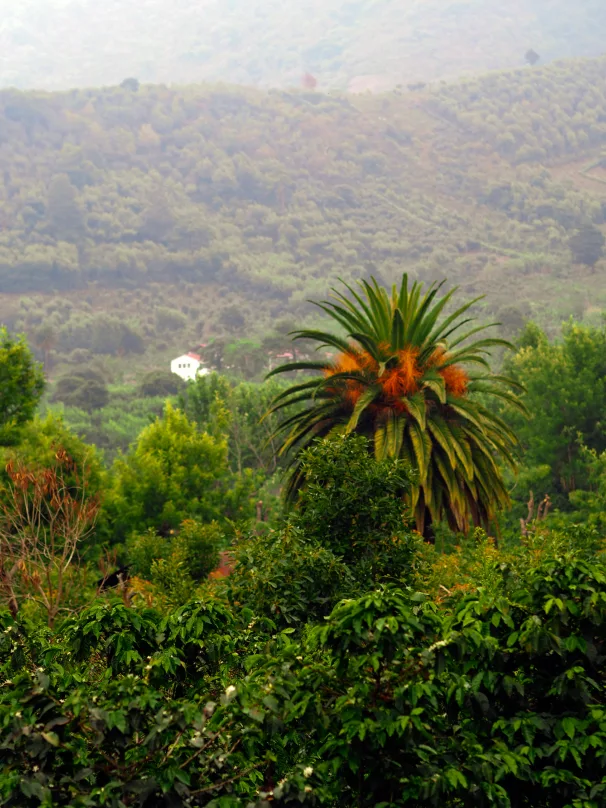
Comparison of four classic hypotheses using the latest scientific data
All historical hypotheses that have emerged can be systematically studied through scientific analyses. These are the latest data on intra-species hybridization, cytogenic studies of coffee complexes and analysis of the phylogenetic and genetic diversity obtained from molecular markers. The hypothesis of intra-species is the easiest to deny. The combination of a diploid-to-tetraploid coffee can have several results: most hybrids will be triploid with very few exceptions at the tetraploid, pentaploid and hexaploid levels for non-died hamets; (ii) triploid hamets are very sterile (1-2 per cent fertility) mainly due to chromosomal dissipation during meiose (iii) a large genetic distance is assumed between the inter-species hybrid and ARA.
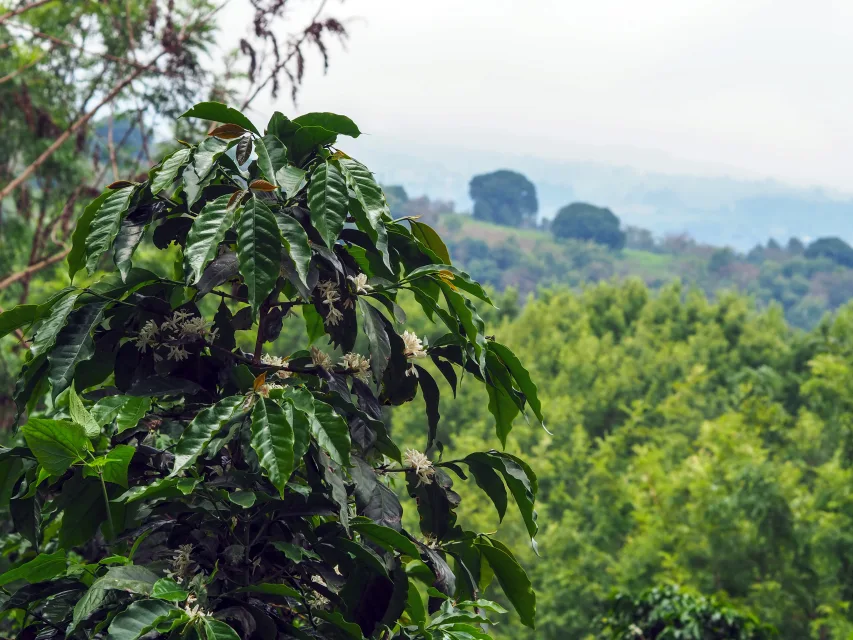
Indeed, C. mauritiana and Arabica, the two supposed parental types of this intra-species hybrid, are among the most remote species within the genus and (iv) therefore the intra-species hybrid should lead to highly variable offspring. Moreover, such a highly sterile hybrid would be re-chosen by coffee breeders and would only appear in the wild. In particular, the recovery of full fertility takes several generations, which in the wild will be manifested in a reverse bonding with C. mauritana or self-fertilization. In all cases, the number and variety of hybrids should increase. It is therefore surprising that this did not happen in the second half of the 18th century.
On the contrary, BP is a tetraploid, fully fertile, genetically very close to other Arabica species, and in conclusion, the hypothesis that the species Bourbon Pointu is an intra-species species must be disproved.
A hypothesis of descent from an African parent and endemic.
The genetic distance between the two independent samples depends on the diversity of ARA. For example, Bourbon and Tippiku are the genetic distance of Nei, which is equal to 374 times the genetic distance between Burbon and BP. Moreover, both Bourbon and Tivika are from the Arab peninsula. Indeed, Nea's genetic distance between Burbon and the involuntary Ethiopian Araba ranged from 0.164 to 0.373. It is rather implausible to get this low distance by random selection of two samples from two different territories, one from the Arabian peninsula and one from Ethiopia.
The same reasoning as for the African-descendant hypothesis can be applied to the endemic hypothesis. Indeed, before or after the 17th century, natural or human, the problem remains the same: two independent interventions should lead to a greater genetic distance than what we see. Besides, BP must meet as often as C. mauritiana in the island ' s native forests, but this does not happen.
The hypothesis of origin from mutation indicates that the F1 hybrids between Burbon and BP are Lrrr type and represent the Burbon phenotype; thus, alleli Lr and lr are dominant and recessional respectively. In the F2 generation, segregation of 3:1 (2.066 Bourbon and 663 BP plants was obtained from offspring). This was confirmed by the reverse cross-section of the F1 hybrid with Burbon (the phenols of Burbon are 100 per cent) or BP (50% Burbon and 50 per cent BP in the offspring). Since the PB phenotype is different from the Burbon phenotype in several indicators (christmas tree form, dwarf dosages, lower caffeine content, etc.), the gene has a playotropic effect. The llelle lr can be seen as the result of the mutation of the allely Lr in a plant with a genotype LrLr.
The same reasoning as for the African-descendant hypothesis can be applied to the endemic hypothesis. Indeed, before or after the 17th century, natural or human, the problem remains the same: two independent interventions should lead to a greater genetic distance than what we see. Besides, BP must meet as often as C. mauritiana in the island ' s native forests, but this does not happen.
The hypothesis of origin from mutation indicates that the F1 hybrids between Burbon and BP are Lrrr type and represent the Burbon phenotype; thus, alleli Lr and lr are dominant and recessional respectively. In the F2 generation, segregation of 3:1 (2.066 Bourbon and 663 BP plants was obtained from offspring). This was confirmed by the reverse cross-section of the F1 hybrid with Burbon (the phenols of Burbon are 100 per cent) or BP (50% Burbon and 50 per cent BP in the offspring). Since the PB phenotype is different from the Burbon phenotype in several indicators (christmas tree form, dwarf dosages, lower caffeine content, etc.), the gene has a playotropic effect. The llelle lr can be seen as the result of the mutation of the allely Lr in a plant with a genotype LrLr.
Conclusion
This article highlights the importance of the link between historical facts and scientific analysis, confirming the hypothesis that BP was the result of a mutation called Laurina, which might have occurred on Reunion two centuries ago from the genetic base of Burbon brought from Mokka.
Due to its image of reproduction (about 93% self-spraying) and seed seed cultivation from harvest, recessionary mutation can be very quickly consolidated in homozodotic genotype. BP is replicated due to its resistance to drought and organoleptic properties.