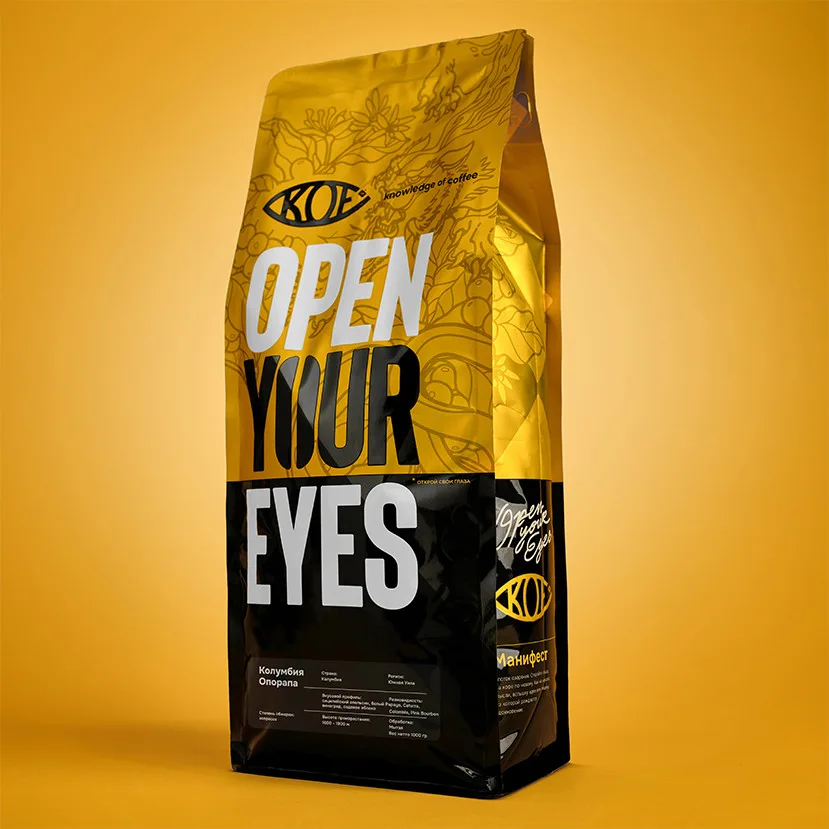
Colombia Oporapa Espresso
Sicilian orange and white grape meet a crisp orchard-apple finish. Roasted for espresso, this washed coffee has a clean sweetness and a balanced body and acidity.





Sicilian orange and white grape meet a crisp orchard-apple finish. Roasted for espresso, this washed coffee has a clean sweetness and a balanced body and acidity.

White grape and Sicilian orange come through softly in this sweet, clean filter coffee, with a gentle orchard-apple finish.



Pineapple and guava up front, raspberry cheesecake underneath. This natural lot from Azahar in Planadas grew at around 2,000 metres. The filter roast brings out its sweetness and juicy fruit.


A short, full-bodied espresso with raspberry cheesecake on the finish. Pineapple and guava bring a tropical sweetness, with a creamy body and little bitterness.

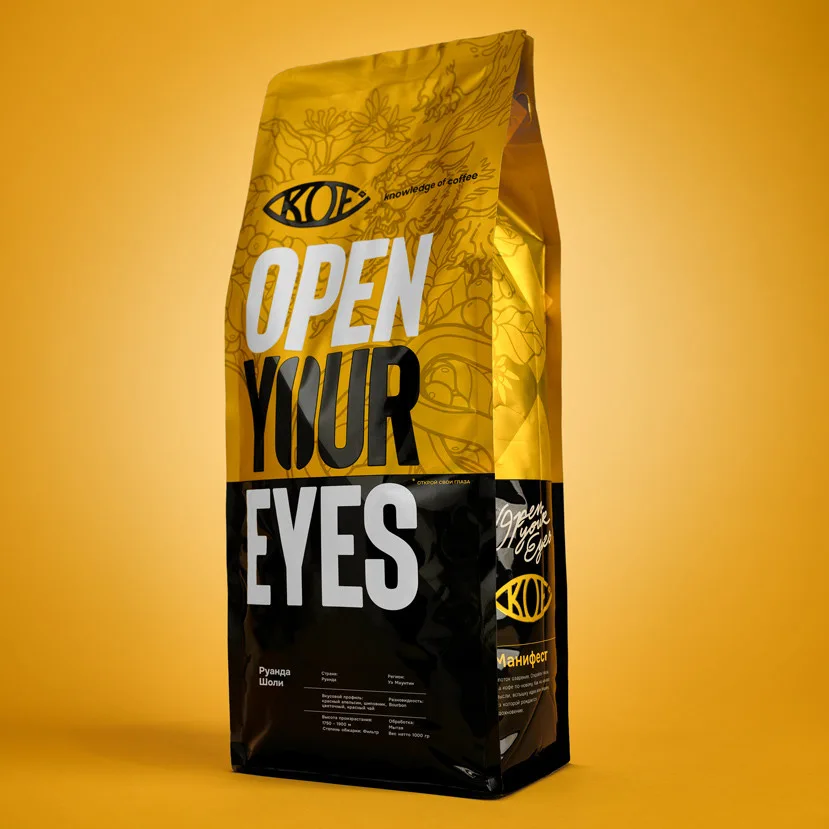
Rosehip, blood orange and red tea in a clear, delicate cup. This washed coffee from Rwanda’s Huye region has floral aromatics and gentle acidity.

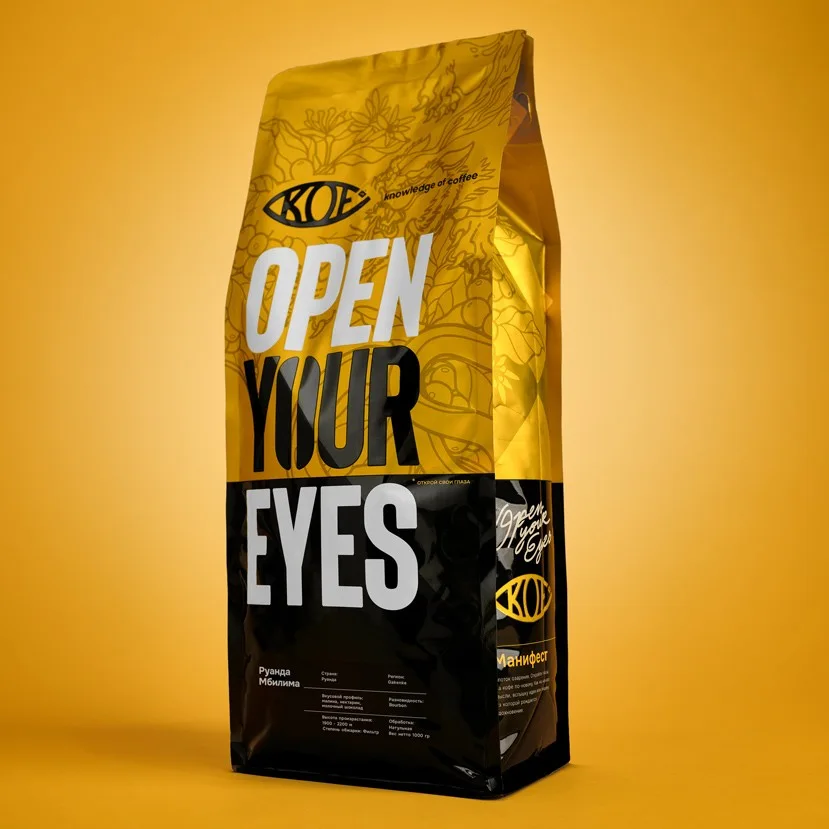
Raspberry sour, juicy nectarin and soft milky chocolate aftertaste: natural coffee from Gackenke, which has bright but no weight in it, is a good way to start getting to know natural processing.

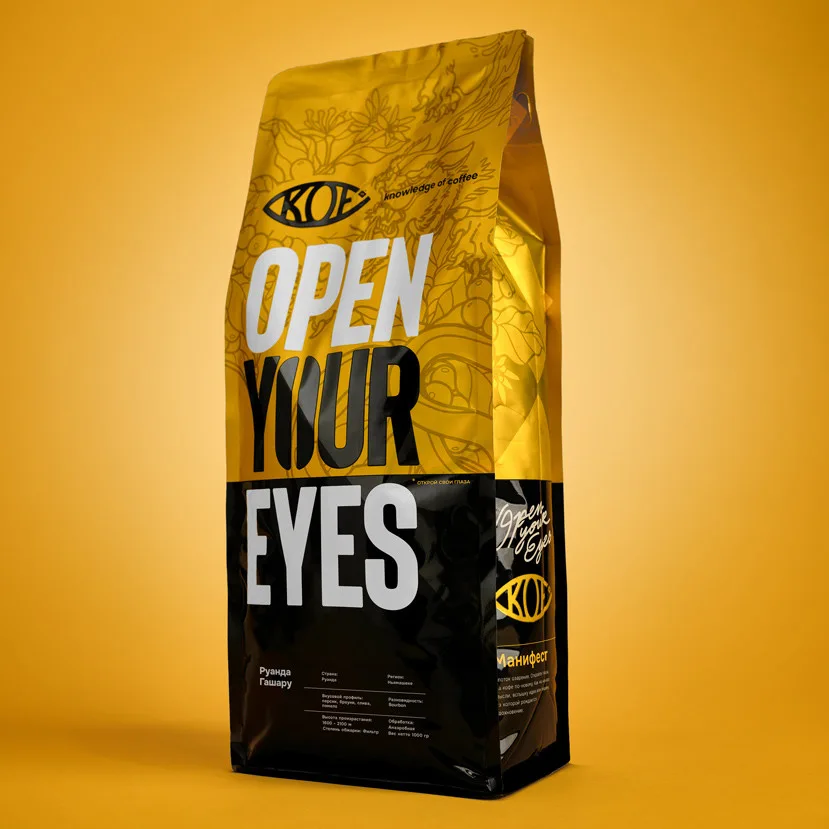
Brownie, the plum and citrus mustard, three tastes that rarely occur in the same cup and the trio sounds coherent.

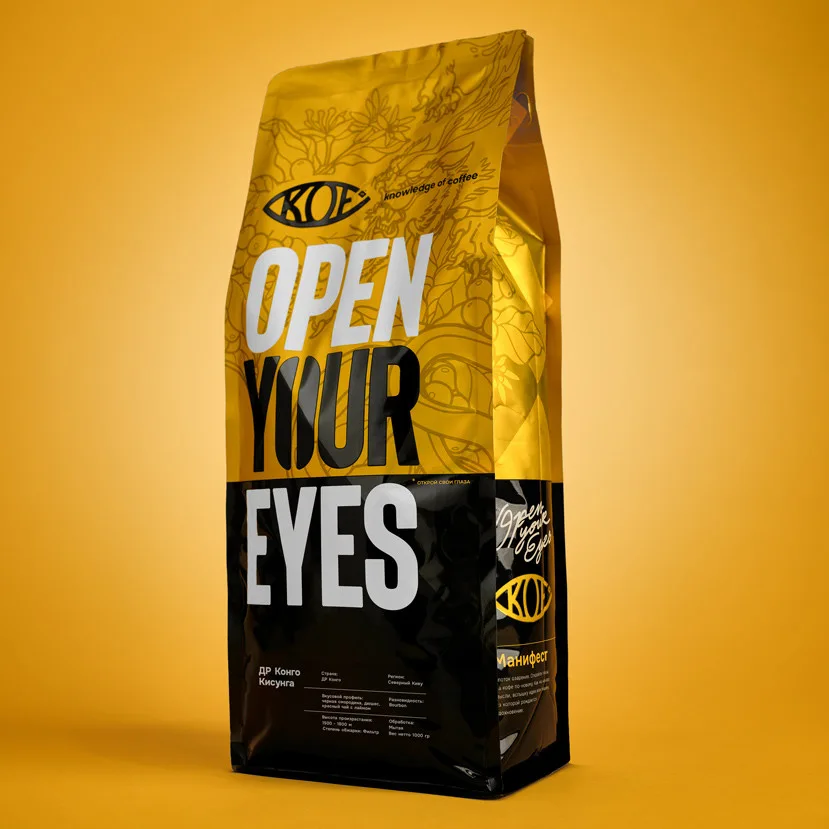
Red tea with lime, which was squeezed with a ripe black seared and left a piece of sweet in the bottom: the taste of the new Congo Kisunga, a soapy lot from Kisunga Station in North Kivu, roasted under a filter, it was juicy, transparent and fresh, and after each throat left a light tea sour.




White raisins and honey plums with their thick sweetness and cream caramel with milk chocolate - the Olympic brand-made blender gathers the best parts of the Chiapas region into a single blended lot, ensuring a stable repetitivity from harvest to harvest.


Caramel meets first - thick, tight - like melted in a cup and then the orange and red berries are opened, the El Bombo espresso version is built on a mixture of Castillo, Katurra and Columbia, and the copper roast works differently here.

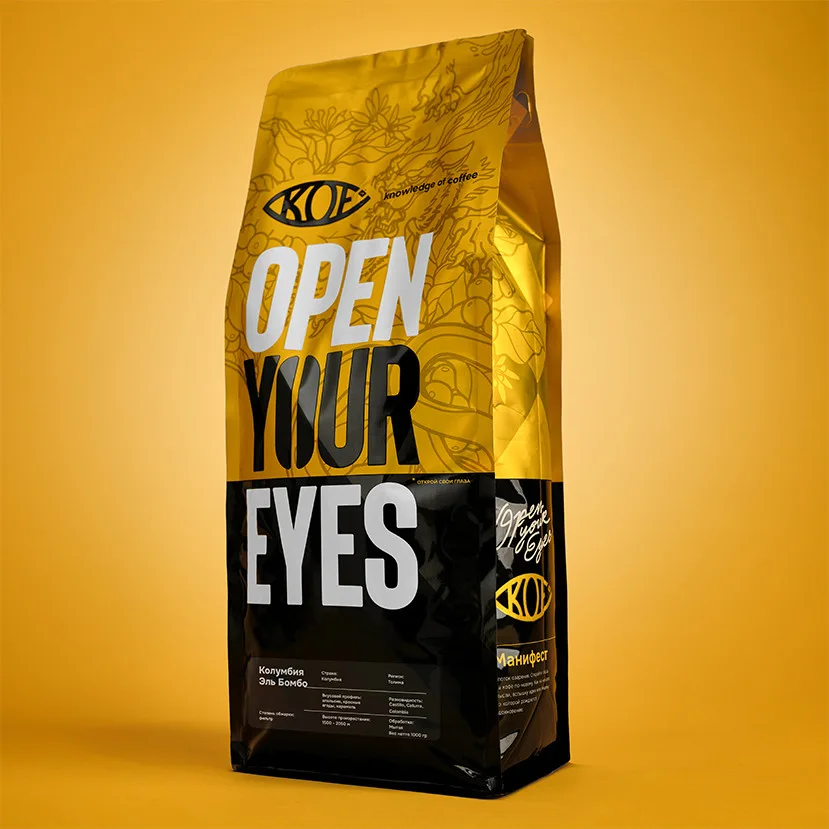
Orange skin and a wave of red berries, followed by caramel, which is velvet sweets, El Bombo, who proves that the environmental quality and taste are not at all at odds.


The heavy chocolate meets first, followed by dried fruit and warm almond shade - Guatemala Vinoso received a Q-grader 84 rating confirming her status as one of the most balanced espresso bases.

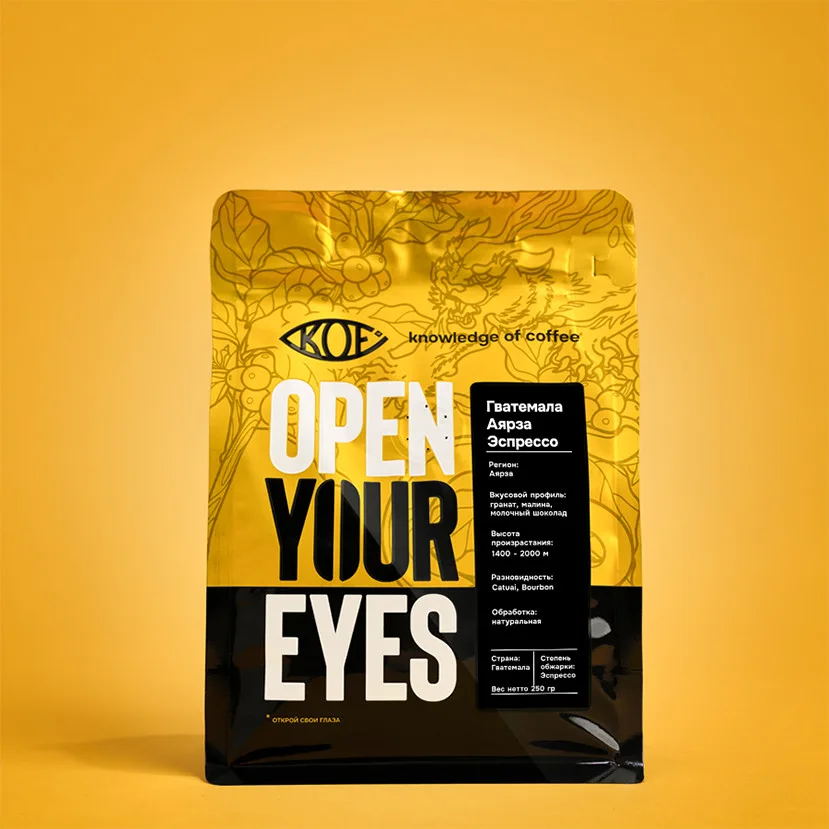
Granat, raspberry and milk chocolate are mixed into a rare combination of wine and berries. Lot is marked against the background of the usual Guatemalan peanuts, and the grenade note creates that recognized wine depth.


Naturally processed coffee from the Ayarza station in Huehuetenango, with notes of pomegranate, raspberry and milk chocolate.

The juicy nktarin and orange, underlined by fresh citrus sour and known sweet, is a peanut and chocolate at the same time, like dessert in a cup, which is almost a cake combination.

Washed coffee from Central Aceh with notes of tobacco, dark chocolate, bell pepper and prune.


The strawberry jam meets the thick sweetness, the pineapple adds tropical humour, and the flower honey and dark chocolate are cluttered in the finals - a natural lot from one of Indonesia's most recognized terruars.


Naturally processed coffee from Central Aceh with notes of wild strawberry jam, pineapple, floral honey and dark chocolate.

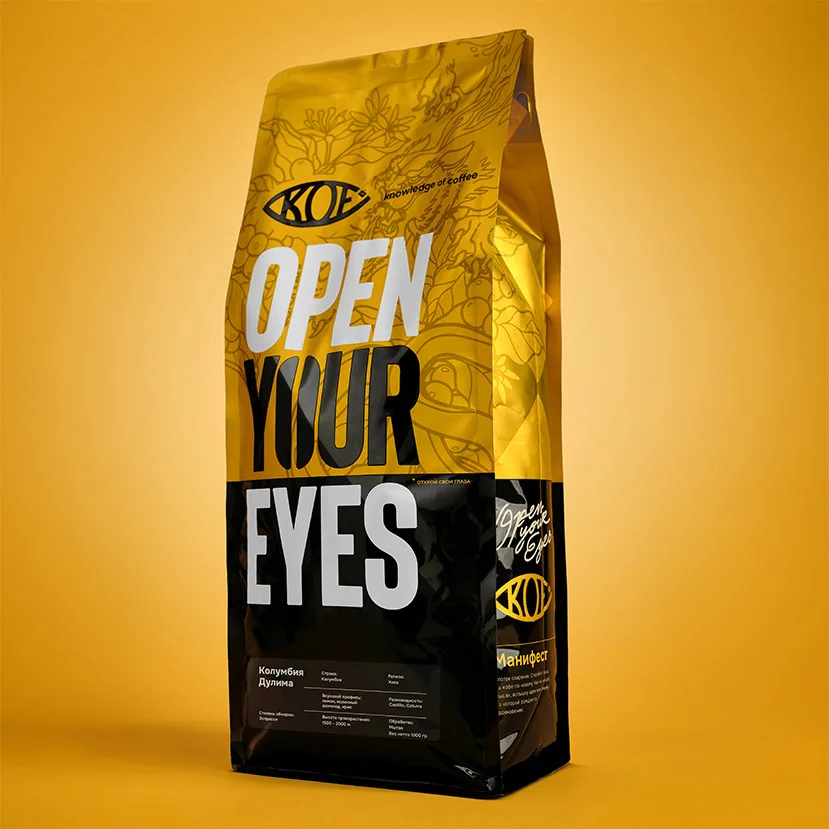
Fries, milk chocolate and lemon sparks at the finish, classic Colombian taste, which neither gets tired on Monday nor Friday, Lot gives a sweet, understandable cup where the citrus just shades chocolate and caramel without trying to compete.



Black tea, lemongrass and ripe apricot in one cup, which is a transparent, light and flower citrus lot, without dense enzyme gravity. On top of the lemon grass, freshness is added, apricot gives soft fruit sweetness, and tea shades the taste and makes the finish dry and clean.


Coffee from Guji's natural processing region, peach, grapefruit, milk chocolate

Coffee from the Guji region is natural processing, developed for us by Belionahi, with which we have been working for five years, dark grapes, red berries, milk chocolate

Naturally processed coffee from the Chelchele station in Gedeo, with notes of peach, flowers, berry jelly and milk chocolate.

Natural processing from Guji region from Chelchele station, tropical fruit, lemon caramel, pear, flower, milk chocolate



Natural processing from Seke Station in the Gideon region, mango taste, jasmine, blueberry yogurt, pineapple candy


Natural processing from Seke Station in the Gideon region, mango taste, jasmine, blueberry yogurt, pineapple candy


Mango and mandarin sound so clear, the cup is like a long sniff, then it's a drink, the lot has a sweet berries caramel, the flower note makes it taste nicer, and the filter roast keeps the icicle undifficult.



The leaf on the start, the yellow jam in the middle and the soft yellow plum on the finish: Sumatra, which reads as a delicious story with three chapters. Round pyberry and fry under the filter give a dense, sweet and unusually fruity coffee for Mandelin. It stays deep and warm, but it does not have rough earthen.


First, the cup meets a dense body, a dry tobacco fragrance and bitter chocolate, and as it cools, it reveals berries and tropical sweets, which are dark in nature but bright in the taste of coffee.



Coffee from Mogiana, the Olympic branded Bland, nut-flavored, milk chocolate, dried fruit.


Classic Brazilian coffee, nuts, chocolate, dried fruit.

Coffee from Mojiana region, peberry varieties, raisins, sweet lemon, dark chocolate


The almond, caramel and dark chocolate depth, and at the end of the day, the light southern glitter, like the cedars that are being held on the edge of the cup, is held on three soapy and semi-washed lotts from Ethiopia, Colombia and Sumatra, each taking its own part of the taste: brightness, sweetness and body.


Nutella on the first throat, followed by strawberry with cream and a tedious cream caramel, which is a double natural treatment, and in espresso it gives you a dessert cup that you want to drink without syrup and sugar.

Kof., a C.E.L.C. El Roble natural processing and Dulima's Dulima soap processing, with ripe red berries, white grapefruit, muscavado sugar and milk chocolate.

Mixture of Guatemala Ayarza natural processing and Mexico Kisaya mice mice, berries, lemon, cream caramel and dark chocolate

Ethiopia's Shelba's bland is a wet-processing and Guatemala's Huhuetenango is a processive, peach, orange, dark chocolate (Ethiopia Celba, Guatemala Huhuetenango)


Bland two prizes from the region of Ethiopia from Irgachif with a mouse and natural processing, apricot taste, lemon, bergamot (Ethiopia Chelba, Ethiopia Guji)


Mixtures of Brazil, Fancy and Guatemala, Huehuetenango, dark chocolate, grapefruit, caramel (Brazil Fancy, Guatemala Huehuetenango)

Ethiopia's Shelba's Bland with a soap-processing and Brazil with a natural-treatment needle, lemon-flavored, chocolate-like, almond-like (Ethiopia Celba, Brazil Eagle)

Coffee with a soap from Vork Wuri Station in the Kochere region, jasmine-flavored, peach tea, black smortton, lemongrass

Coffee from the Banco Gothet station from the Gideon region, apricot type, flower, carcade, chocolate

Coffee with a soap from the Haru Souke station in the Gideon region, lemon caramel, red tea, lime, apricot

Washed Sumatra Ajivan Pak meets naturally processed Guatemala Ayarza in a blend with notes of red tea with raspberry, peach and chocolate brownie. The body is full and rounded.
Coffee with a soap from the Haru Souke station in the Gideon region, lemon caramel, red tea, lime, apricot

The chewing and the red smordin speak first, yellow plum and the duches respond softly: Kenya, where acidity works as a dialogue, not as a blow. The soapy lot is roasted under a filter. It is bright and multi-layered, but it is sweet and juicy, without the usual Kenyan sharpness.


Pink pineas and pink guava open a cup, cherry brownies add depth, and dry cider at the finish makes the taste good for adults and clean: a tropical fruit table with chocolate dessert for a snack. Burning under the filter keeps the liquor and sweetness comes to the fore.


Peach yogurt and ripe pineapples in the first throat, white grapes in the middle, pralin and milk chocolate in the finish: dessert table in one cup. Anaerobic fermentation gives this lot a creamy, almost yogurt invoice that doesn't happen to be in regular Guatemalan soap lote.


The berries are sold in the end, the farmer has taken the peanuts and the porlins have the finals, and instead of selling the berries, the farmer has taken the processing and immediately received the lot that is sweet as dessert, and is seen as a good filter.


Orange with ginger sparks at the beginning, cashew and cream caramel at the end, morning dessert, which can be drinkable without sugar, a soapy lot from the tiny Las Vegas farm from Wehuetengo is roasted under a filter, bright as Kenyan and sweet as Guatemalan.


Washed Laurina, a rare variety from El Socorro farm, is naturally low in caffeine at around 0.6%. Look for plum, milk chocolate, red tea, nectarine and honey.

Coffee with a coffee from Vorky Vuri station in the Kochere region, jasmine, tea rose, peach, strawberry jam



Blueberry and wild cherry in the background of dark chocolate is a berries bomb that you usually expect from Kenya's natural rather than Kenya's soap, and Gachata Station in Nieri region works so neatly with grain that soap treatment here sounds almost like berries dessert.



Apricot yogurt and the redhead meet with strawberry sour, a rare combination of milk and berries in Kenya, and natural processing that reveals a multilayered profile from floweryness to breast-chocolate finish.



Acidity is literally a feeling from the throat of this coffee, a playful, almost soda texture combined with raspberry juice, tropical fruit and unexpected vanilla sweetness, creating a taste-smart, unique to one Kenyan lot.



White grapefruit, juicy grapes, dark chocolate and cashew - four contrasting tastes that rarely come in one Brazilian cup, all thanks to the rare variety of peberry from Mojiana farms.


The Mountain Water Process uses pure spring water from Pico de Orizaba, Mexico’s highest mountain, to decaffeinate coffee. Each batch of beans is steamed to produce an extract. A filter removes the caffeine before the extract is returned to the green coffee. This process retains the coffee’s flavors while removing 99% of its natural caffeine without chemical additives or solvents. Orange tastes like cream caramel, milk raisins.
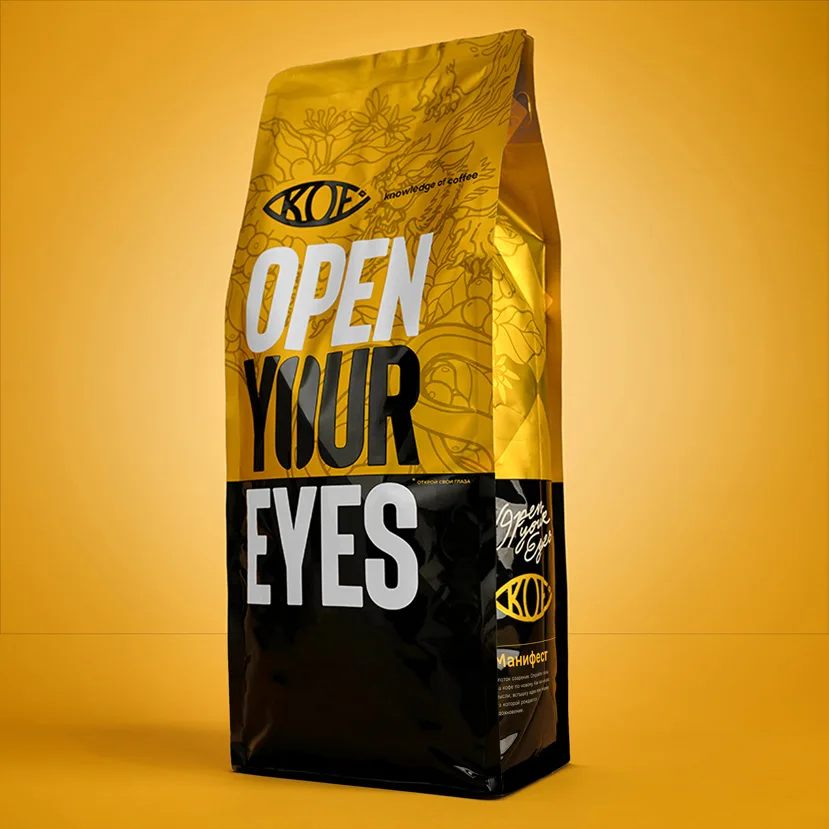
Descafecol in Colombia uses ethyl acetate derived from distilled sugarcane to remove caffeine while preserving the coffee’s aroma and flavor. Taste notes include milk chocolate, roasted almond and red pomelo.

Anaerobically processed coffee from the Ayarza station in Huehuetenango, with notes of pineapple, peach yogurt, white grape, praline and milk chocolate.

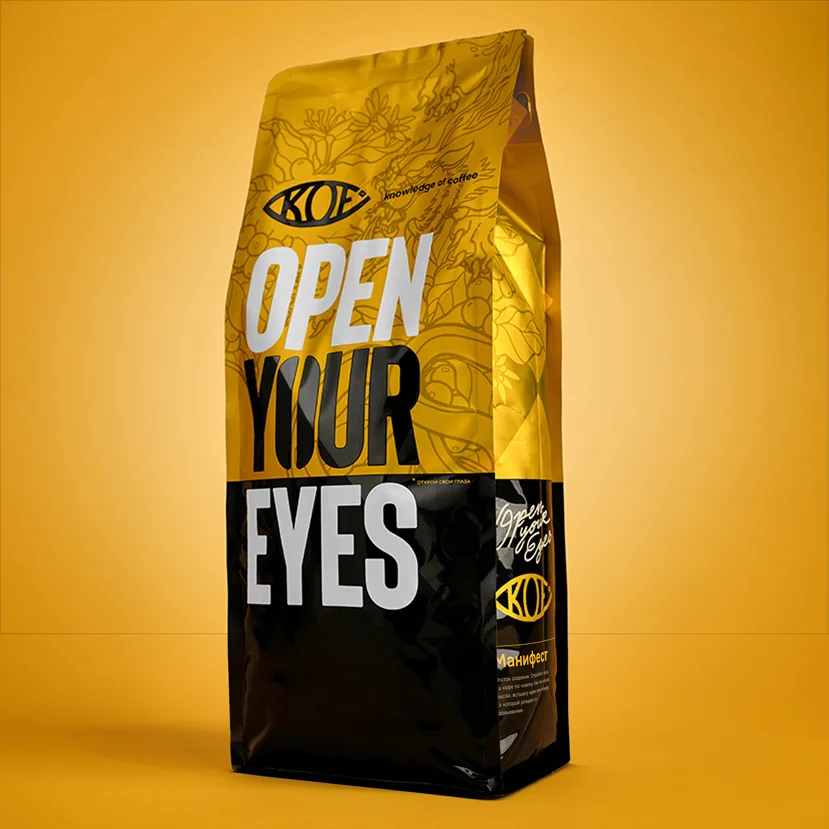
Apricot, tender colour, patient carcade and chocolate - four tasty layers so well-formed that it looks like the cup was collected by notes.



Red tea and a crisp apple without one extra note is a rare taste transparency for Kenya, instead of the usual berries brightness, and the soap-washing at Kirinaga station reveals a delicate purity in this lot, which is not often encountered even among Kenyan pedestals.



The chocolate marzipan melts first, followed by the plums of the plum, and the finish suddenly blooms orange freshness - the Bland Equator is designed for those who want espresso both dessert and fruit in one cup, and it is a duet of two continents: Sumatra Ivan Park with a mouse of processing adding purity and structure, and Brazil Eagle with a density and a chocolate base.


Coffee from Atitlan region, soap-processing, orange caramel, plum jam, cashew

Coffee from the Kirinaga region, Kiamugumo station, soap-processing, red tea, white nectarines, apple, yellow plum

Coffee from the Kiambu region, Mchana station, natural processing, raspberry taste, tropical fruits, lga, vanilla, flower

Naturally processed coffee from the Ruera station in Kiambu, with notes of strawberry, apricot yogurt, flowers, gooseberry and milk chocolate.